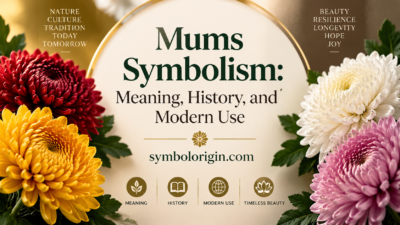

Flowers often carry meanings that develop from their appearance, growing habits, cultural traditions, and the emotions people attach to them. The columbine symbolism is connected with ideas of hope, courage, devotion, and transformation. This delicate wildflower has been valued for its unusual shape, bright colors, and ability to grow in challenging environments.
The columbine flower appears in gardens, natural landscapes, artwork, and personal designs across the United States. Its meaning has changed over time, influenced by European traditions, Native American uses, religious interpretations, and modern views of nature and identity.
Understanding the symbolism of columbine helps explain why this flower remains meaningful in American gardens, memorial settings, tattoos, and decorative choices today.
Quick Answer
Columbine symbolism commonly represents resilience, hope, courage, and spiritual reflection in modern American culture. Historically, the flower has also been associated with devotion, peace, and religious meanings connected to its unique shape.
TL;DR
Columbine represents courage, hope, and resilience.
Its name comes from Latin meaning “little dove.”
Native and European traditions shaped its meanings.
Americans often connect it with wild beauty.
The flower appears in gardens and personal art.
Modern uses include tattoos and remembrance.
What Is the Columbine Flower and Where Is It Found?
Columbine is a flowering plant from the genus Aquilegia, recognized by its distinctive bell-shaped blooms and long, curved petals that extend backward like spurs. These unusual features make the flower easy to identify among wildflowers and garden plants.
The flower grows naturally across many parts of North America, Europe, and Asia. In the United States, the Rocky Mountain columbine is especially well known and became the official state flower of Colorado in 1899.
Columbines appear in mountain meadows, woodland areas, and home gardens. Their ability to survive in different environments contributes to their association with adaptability and strength.
The flower’s variety of colors also influences its symbolism. Blue and purple columbines are often linked with calmness and reflection, while red and pink varieties may suggest passion, love, or energy.
The Core Meanings Associated With Columbine
The symbolic meanings of columbine come from both cultural traditions and the flower’s natural characteristics. Several ideas appear consistently across different interpretations.
Context Meaning in the USA Common Associations Notes
Gardens Beauty and resilience Nature, growth, care Popular in home landscapes
Memorials Hope and remembrance Peace, reflection Used in meaningful spaces
Personal style Individuality Tattoos, artwork Represents personal stories
History Devotion and courage Faith, loyalty Connected to older traditions
Hope and Renewal
Columbine is often seen as a symbol of hope because it blooms in places where many plants struggle to survive. Its presence in mountain environments represents the ability to continue growing despite difficult conditions.
Many gardeners view columbines as reminders that beauty can appear in unexpected places. This connection makes the flower meaningful for people who associate nature with recovery and personal growth.
Courage and Strength
The flower’s ability to thrive in rocky landscapes has contributed to its association with courage. Unlike flowers that require highly controlled environments, columbines often grow naturally with limited assistance.
In American culture, this quality connects with ideas of independence, determination, and overcoming obstacles.
Devotion and Loyalty
Historically, columbine flowers became associated with devotion and faithfulness in European symbolism. The flower’s unusual form encouraged people to connect its appearance with spiritual and emotional ideas.
Today, this meaning is often interpreted more broadly as loyalty between people, dedication to personal values, or commitment to relationships.
Ancient Roots and Early Symbolism of Columbine
The history of columbine symbolism reaches back centuries, particularly in European traditions. The flower’s scientific name, Aquilegia, comes from the Latin word for eagle because some people believed the flower’s spurs resembled an eagle’s claws.
Another explanation connects the name “columbine” to the Latin word columba, meaning dove. Because the flower’s petals can resemble a group of birds, it became associated with peace and spiritual ideas.
During the medieval period in Europe, flowers were often given symbolic meanings in art and religious imagery. Columbine appeared in paintings and decorative designs, sometimes representing spiritual concepts and virtues.
Artists and religious communities used flowers as visual symbols because many people could recognize their meanings without written explanations. Columbine became one example of how plants carried messages about faith, morality, and human emotions.
Columbine Symbolism in American Culture
In the United States, columbine has developed a strong connection with nature, regional identity, and outdoor life. Its popularity is especially noticeable in western states where the flower grows naturally.
Colorado’s relationship with the Rocky Mountain columbine is one of the clearest examples. The flower represents the state’s mountain environment and is often connected with local pride, conservation, and appreciation for native landscapes.
American gardeners commonly choose columbine because it attracts pollinators and adds natural beauty to outdoor spaces. For many people, the flower symbolizes a connection with the environment rather than a specific religious or historical meaning.
The flower also appears in:
Native plant gardens
Hiking and outdoor communities
Landscape design
State-related imagery
Nature photography
In modern American culture, columbine is usually viewed as a positive symbol connected with beauty, endurance, and natural harmony.
Religious and Spiritual Interpretations of Columbine
Columbine has appeared in Christian symbolism, especially in European religious art. Its three-part structure was sometimes connected with the Holy Trinity, while its shape was interpreted as representing spiritual ideas.
Some traditional interpretations connected the flower with virtues such as humility, faith, and devotion. These meanings developed from religious artwork rather than from the flower itself.
Today, many people appreciate columbine from a spiritual perspective without following a specific religious interpretation. It may represent reflection, peace, gratitude, or a personal connection with nature.
Modern interpretations are generally more personal than traditional ones. A person may choose columbine imagery because it reminds them of a loved one, a meaningful place, or a period of personal change.
Native American Connections and Cultural Meaning
Columbine plants have long existed in North American landscapes, and different Indigenous communities used local plants in ways connected to their environments and traditions.
Some Indigenous groups recognized columbine as part of their natural surroundings and used various plant resources for practical purposes. Meanings varied between communities, and there was no single universal Native American interpretation of the flower.
Modern discussions of columbine symbolism should recognize that Indigenous relationships with plants are diverse and connected to specific cultures, regions, and histories.
Today, many Americans appreciate columbine as a native wildflower that represents respect for local ecosystems and the importance of preserving natural habitats.
Why Columbine Appears in Tattoos and Personal Designs
Columbine tattoos are often chosen because the flower combines natural beauty with personal meaning. Unlike some symbols with a single widely recognized interpretation, columbine allows people to attach their own experiences and memories to the design.
For many people in the United States, a columbine tattoo can represent:
- Personal growth after difficult experiences
- A connection to mountains or outdoor life
- Strength during periods of change
- Love for gardening or nature
- Remembrance of someone important
The flower’s delicate appearance alongside its ability to survive in harsh environments creates an interesting contrast. This balance between softness and endurance is one reason it appeals to people who want a symbol of resilience without using a more traditional strength-related image.
Columbine tattoos may also appear in botanical tattoo styles, watercolor designs, minimalist artwork, and larger nature-themed pieces featuring mountains, birds, or other wildflowers.
Columbine Color Meanings and Their Different Interpretations
The color of a columbine flower can influence how people understand its symbolism. While meanings are not fixed rules, certain associations appear frequently in flower traditions and modern design.
| Columbine Color | Common Symbolic Meaning | Modern Interpretation |
|---|---|---|
| Blue | Calmness and reflection | Peaceful personality or emotional balance |
| Purple | Wisdom and imagination | Creativity and personal growth |
| Red | Passion and courage | Energy, love, and determination |
| White | Purity and remembrance | Simplicity and respect |
| Pink | Affection and kindness | Gentle emotions and friendship |
Blue and purple columbines are especially popular in gardens because their cooler tones create a peaceful atmosphere. Red varieties often attract attention because their brighter appearance creates associations with confidence and strength.
In modern floral design, color choices are usually based on personal taste rather than strict symbolic rules. A person may select a specific color because it matches a memory, location, or emotional connection.
The Emotional and Psychological Meaning of Columbine
Flowers often become meaningful because people connect them with experiences, places, and relationships. Columbine’s emotional symbolism comes largely from its appearance and natural behavior.
The flower can represent adaptability because it grows successfully in different environments. For someone facing change, columbine may serve as a reminder that adjustment and growth are possible.
Its open, unusual shape can also suggest curiosity and individuality. Unlike flowers with simple symmetrical forms, columbine has a distinctive structure that makes it stand apart.
In emotional contexts, people may associate columbine with:
- Finding beauty during challenging times
- Staying connected to nature
- Appreciating personal uniqueness
- Remembering important moments
- Creating a sense of peace
These interpretations are personal rather than universal, but they explain why the flower continues to appear in meaningful artwork and personal objects.
Columbine in Gardens, Home Decor, and Landscape Design
Columbine is a popular choice for American gardens because it provides both visual appeal and ecological value. Many gardeners plant it to attract hummingbirds, butterflies, and other pollinators.
In home landscapes, columbine can symbolize a natural and welcoming environment. Its presence often suggests appreciation for native plants and a desire to create spaces that feel connected to the outdoors.
Garden designers use columbine in:
- Cottage-style gardens
- Wildflower landscapes
- Mountain-inspired gardens
- Pollinator gardens
- Native plant areas
Unlike decorative symbols that exist only through artwork, columbine carries meaning through its living presence. Watching the flower return each season can reinforce ideas of renewal and continuity.
For many Americans, a garden with columbines represents patience, care, and respect for the natural world.
Columbine in Weddings and Special Occasions
Although columbine is not as common in wedding arrangements as roses, lilies, or peonies, it can carry meaningful symbolism when included in floral designs.
Couples who choose columbine may appreciate its associations with:
- Loyalty
- Commitment
- Natural beauty
- Individuality
- Shared growth
Because columbine is connected with outdoor landscapes, it can fit especially well in rustic, mountain, woodland, or nature-focused weddings.
The flower’s less traditional appearance can also appeal to couples who want arrangements that feel personal rather than conventional.
In memorial settings, columbine may represent remembrance and continued connection. Its seasonal return can symbolize the lasting impact of someone’s memory.
How Columbine Symbolism Has Changed Over Time
The meaning of columbine has shifted as societies changed. Earlier European interpretations often focused on religion, morality, and symbolic artwork. Modern American interpretations are more likely to emphasize nature, identity, and personal experiences.
This change reflects a broader movement in flower symbolism. Many people today do not rely on traditional meanings alone. Instead, they combine historical associations with personal stories.
For example:
- A medieval artist might have viewed columbine through a religious lens.
- A Colorado resident may see it as a symbol of regional pride.
- A gardener may associate it with environmental care.
- Someone with a tattoo may connect it with personal resilience.
The flower’s meaning continues to evolve because people use symbols to express their own values and memories.
Common Misunderstandings About Columbine Symbolism
Although columbine generally has positive meanings, some confusion exists around the flower because the word “columbine” has additional associations.
One major misunderstanding comes from confusing the flower with the name of a tragic event in American history. The Columbine school shooting in Colorado caused the word to become emotionally complex for many people. However, the flower itself has a much older history and was not connected to violence before that event.
It is important to separate the natural symbol from unrelated modern associations. The columbine flower traditionally represents ideas such as beauty, endurance, and reflection.
Another misunderstanding is assuming that every culture assigns the exact same meaning to the flower. Like many natural symbols, interpretations differ depending on location, history, and personal experience.
Columbine Symbolism in Modern Popular Culture
Columbine appears less frequently in mainstream entertainment than roses, sunflowers, or lotuses, but it remains recognizable in nature-focused media and personal expression.
Modern uses include:
- Botanical illustrations
- Jewelry designs
- Clothing patterns
- Nature photography
- Social media artwork
- Outdoor lifestyle branding
The flower’s connection with mountains and wild landscapes makes it especially appealing among people interested in hiking, conservation, and environmental awareness.
Digital culture has also changed how people share symbolic meanings. A person may post a columbine image to express appreciation for nature, celebrate a location, or represent a personal milestone.
Columbine Symbolism Compared With Other Wildflowers
Wildflowers often share themes of resilience and natural beauty, but each one carries different cultural associations.
| Flower | Common Symbolism | Difference From Columbine |
|---|---|---|
| Daisy | Innocence and simplicity | More associated with everyday joy |
| Lavender | Calmness and healing | Stronger connection with relaxation |
| Poppy | Remembrance and sacrifice | More connected with memorial traditions |
| Sunflower | Optimism and loyalty | More associated with brightness and positivity |
| Columbine | Courage and adaptability | Strong connection with wild landscapes |
Columbine stands apart because its symbolism combines delicate beauty with survival. Its appearance suggests both elegance and independence, which gives it a unique place among wildflowers.
Frequently Asked Questions About Columbine Symbolism
What does columbine symbolize?
Columbine commonly symbolizes courage, hope, resilience, and devotion. In modern American culture, many people also connect it with nature, individuality, and personal growth.
What does a columbine tattoo mean?
A columbine tattoo often represents resilience, connection to nature, or overcoming personal challenges. The meaning depends on the person’s own experiences and the design style chosen.
Is columbine a spiritual symbol?
Columbine has spiritual associations in some Christian traditions, where it was connected with ideas such as faith and the Holy Trinity. Today, many people view it more generally as a symbol of reflection and harmony with nature.
What does a blue columbine represent?
Blue columbine is often associated with calmness, peace, and emotional balance. Many people choose blue flowers because their color creates a feeling of serenity.
Is columbine a positive symbol?
Yes, columbine is generally viewed as a positive symbol. It is commonly associated with growth, beauty, endurance, and appreciation for the natural world.
Why is the columbine flower important in Colorado?
The Rocky Mountain columbine is Colorado’s official state flower. It represents the state’s mountain environment, natural heritage, and connection to native landscapes.
Does columbine have a negative meaning?
The flower itself does not traditionally have a negative meaning. However, the word “Columbine” may remind some people of the Colorado school shooting, which is a separate historical association unrelated to the flower’s traditional symbolism.
Conclusion
Columbine symbolism reflects a combination of natural resilience, personal meaning, and cultural history. From European religious artwork to American gardens and modern tattoos, the flower has represented ideas connected with hope, courage, devotion, and connection to nature.
Today, columbine remains meaningful because people interpret it in ways that match their own experiences. For some, it represents a favorite landscape; for others, it serves as a reminder of growth, remembrance, or personal strength.
The lasting appeal of columbine symbolism comes from its ability to represent both delicate beauty and the ability to endure, making it a meaningful flower in modern American culture.