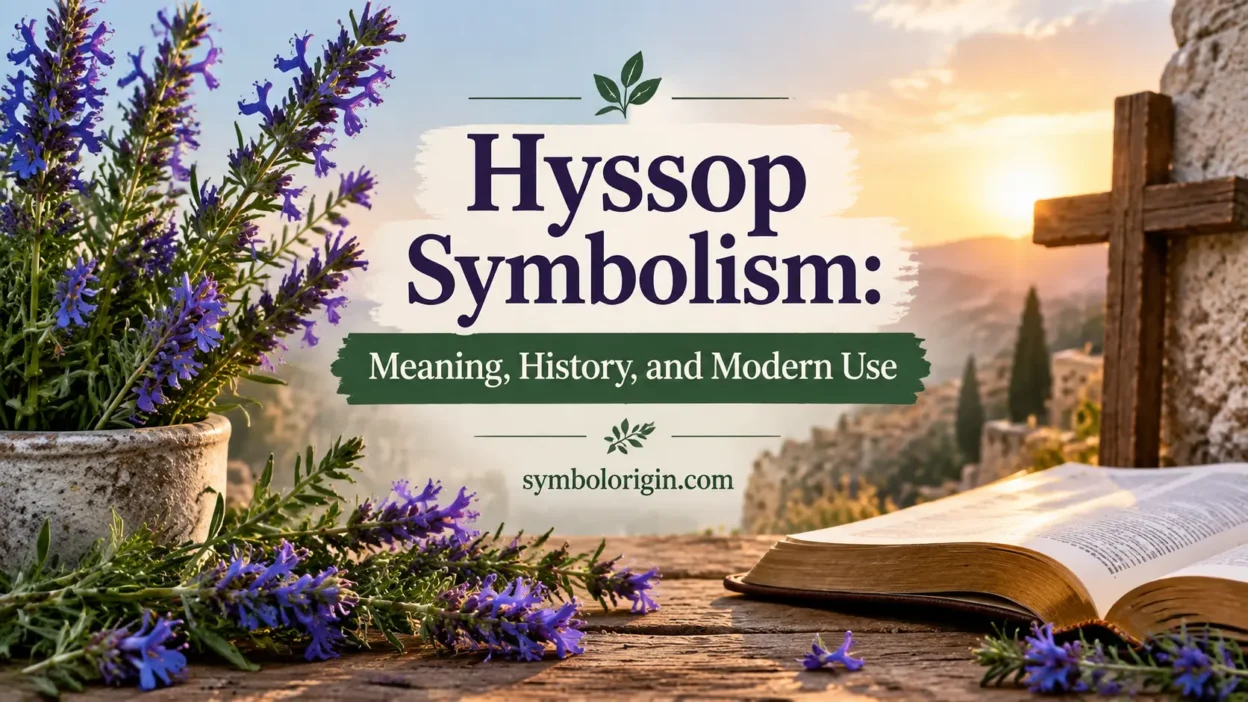
Hyssop symbolism connects this small aromatic herb with ideas of cleansing, renewal, protection, and spiritual preparation. Although hyssop is a simple plant found in gardens and traditional remedies, its meaning has developed through centuries of religious practices, cultural traditions, and personal interpretations.
People continue to explore hyssop symbolism because the plant appears in ancient writings, healing traditions, decorative art, and modern conversations about natural living. In the United States, hyssop is often viewed as a symbol linked to purification, emotional renewal, and a return to simplicity.
Quick Answer
Hyssop commonly symbolizes cleansing, renewal, and spiritual restoration in modern American culture, especially in religious and personal wellness contexts. Historically, it has been associated with purification rituals, healing practices, and preparation for meaningful transitions.
TL;DR
- Hyssop represents cleansing and personal renewal.
- Ancient traditions connected it with purification rituals.
- Biblical references shaped many Western interpretations.
- Americans often view it through faith and wellness.
- Modern uses include gardens, tattoos, and decor.
What Is Hyssop and Where Is It Found?
Hyssop is a fragrant herb belonging to the mint family. The plant typically has narrow green leaves and small flowers that may appear blue, purple, pink, or white depending on the variety. It grows naturally in parts of Europe, Asia, and the Mediterranean region, and related plants are now cultivated in many parts of the world.
Historically, people used hyssop as a culinary herb, medicinal plant, and ceremonial ingredient. Its strong scent and ability to thrive in dry environments helped it become associated with freshness and renewal.
In the United States, hyssop is most commonly encountered in herb gardens, natural landscaping, herbal products, and discussions about traditional plants. While many people know it because of its biblical references, others appreciate it simply as a fragrant garden plant with a long cultural background.
The Core Meanings Associated With Hyssop
The most common symbolic meanings of hyssop come from its historical role in purification and care. Across different traditions, the plant has represented the idea of removing what is unwanted and creating a cleaner beginning.
The main symbolic associations include:
| Context | Meaning in the USA | Common Associations | Notes |
|---|---|---|---|
| Religion | Purification and forgiveness | Faith, repentance, renewal | Strongly influenced by biblical references |
| Personal growth | Fresh starts | Change, healing, reflection | Used as a metaphor for life transitions |
| Gardening | Natural balance | Simplicity, wellness, nature | Connected with herbal traditions |
| Art and tattoos | Inner cleansing | Identity, transformation | Often chosen for personal meaning |
Hyssop is rarely interpreted as a symbol of one single idea. Instead, its meaning depends on whether it appears in a religious, personal, artistic, or cultural setting.
Ancient Roots and Early Symbolism
Hyssop gained symbolic importance thousands of years ago because plants were often closely connected with human health, ritual, and daily life. Ancient societies used herbs not only for practical purposes but also for ceremonies and expressions of belief.
In Mediterranean cultures, aromatic plants were valued because their scents created associations with freshness and cleanliness. Hyssop’s use in washing, preparing spaces, and traditional remedies contributed to its symbolic connection with purification.
The plant’s reputation was also shaped by its appearance in ancient religious traditions. These references helped transform hyssop from a useful herb into a symbol representing moral and spiritual renewal.
Hyssop Symbolism in Biblical and Religious Traditions
Hyssop holds a significant place in Jewish and Christian traditions, especially because of references in biblical texts. In these contexts, the plant became connected with purification, forgiveness, and restoration.
In Jewish tradition, hyssop was associated with ritual cleansing practices. One well-known example involves the use of hyssop during Passover traditions, where it represented a meaningful act of preparation and protection.
Christian interpretations often connect hyssop with repentance and spiritual cleansing. Because of these associations, the plant appears in religious discussions about forgiveness, transformation, and returning to a faithful path.
Modern American religious communities often understand hyssop symbolically rather than literally. For many people, it represents the emotional idea of leaving behind past mistakes and beginning again.
How Americans Interpret Hyssop Symbolism Today
In the United States, hyssop does not have the same everyday recognition as symbols like roses, crosses, or doves. However, among people interested in faith, gardening, herbal traditions, and natural symbolism, it continues to carry meaningful associations.
Many Americans connect hyssop with:
- personal renewal after difficult experiences
- spiritual reflection
- healthier lifestyles
- appreciation for nature
- emotional cleansing
The symbol fits well with modern interests in mindfulness, gardening, and reconnecting with traditional practices. Rather than representing a supernatural idea, hyssop is often viewed as a reminder of intentional living and personal improvement.
The Emotional and Psychological Meaning of Hyssop
Symbols often matter because they help people express feelings that are difficult to describe directly. Hyssop’s connection with cleansing can represent the desire to release emotional burdens and move forward.
Someone who identifies with hyssop may see it as a reminder to:
- let go of past struggles
- create healthier habits
- seek balance
- rebuild after change
From a psychological perspective, plants can provide powerful visual reminders because they represent growth, cycles, and renewal. A small herb growing from the soil can become a personal symbol of resilience and adaptation.
Hyssop in American Gardens and Natural Living
Modern gardening has helped many traditional plants regain attention in the United States. Hyssop fits naturally into herb gardens because it provides fragrance, color, and ecological value.
Gardeners may associate hyssop with:
- connection to the natural world
- traditional knowledge
- sustainable living
- simplicity
The plant’s presence in a garden can symbolize care and renewal. For some homeowners, growing herbs like hyssop represents a return to older methods of using plants for food, beauty, and wellness.
Why Hyssop Appears in Tattoos and Personal Designs
Although less common than flower symbols such as roses or lotus flowers, hyssop appears in some tattoo designs because of its connection with transformation and cleansing.
People may choose hyssop imagery to represent:
- overcoming hardship
- a spiritual journey
- personal change
- a fresh chapter in life
A hyssop tattoo is usually meaningful because of the story behind it rather than because the plant has a widely recognized visual meaning. Many tattoo choices today combine botanical imagery with individual experiences.
Hyssop in Art, Decor, and Modern Culture
Hyssop can appear in botanical illustrations, religious artwork, natural-themed decorations, and herbal designs. Its delicate appearance makes it suitable for artwork that emphasizes simplicity and connection with nature.
In modern home decor, plant imagery often communicates calmness and appreciation for natural materials. Hyssop fits into this style because it represents a traditional herb with a peaceful visual character.
Unlike popular symbols that dominate fashion and media, hyssop remains a quieter symbol. Its meaning often appeals to people who prefer subtle references with historical background.
Cross-Cultural Meanings of Hyssop
Different cultures have interpreted hyssop through their own beliefs and practices. In Mediterranean regions, the herb’s scent and practical uses contributed to associations with cleanliness and health.
Religious traditions gave hyssop additional meanings connected to ritual preparation and spiritual improvement. Herbal traditions also viewed it as a useful plant connected with care and protection.
While interpretations vary, the repeated theme across cultures is the relationship between hyssop and the idea of renewal.
Common Misunderstandings About Hyssop Symbolism
Because hyssop has religious and traditional associations, some people assume every reference to the plant carries a spiritual message. That interpretation is not always accurate.
A person may use hyssop simply because they appreciate gardening, herbal history, or its appearance. Others may connect it strongly with faith or personal transformation.
Another misunderstanding involves confusing traditional symbolism with proven effects. While hyssop has a long history in herbal practices, symbolic meaning comes from cultural interpretation rather than scientific evidence.
How Hyssop Symbolism Has Changed Over Time
Hyssop’s meaning has shifted as societies changed. In ancient settings, it was closely tied to ritual practices, health traditions, and religious ceremonies.
Over time, its symbolic role expanded. Today, many people understand hyssop through broader ideas such as wellness, emotional renewal, and environmental awareness.
This change reflects a wider pattern in symbolism: plants often keep their historical meanings while gaining new interpretations in modern life.
Positive and Negative Interpretations of Hyssop
Hyssop is generally associated with positive ideas, especially cleansing, healing, and renewal. However, symbolism can depend on personal beliefs and cultural background.
Positive interpretations include:
- forgiveness
- restoration
- hope
- preparation for change
- connection with nature
Less positive interpretations may come from the idea of purification being connected with admitting mistakes or confronting difficult personal experiences. Even these interpretations usually focus on growth rather than negativity.
Modern Uses of Hyssop Symbolism in the United States
Today, hyssop symbolism appears in several areas, including:
- religious discussions
- botanical artwork
- tattoos
- herbal gardening
- personal reflection practices
- nature-inspired design
Its continued relevance comes from its ability to represent a simple human idea: people often want opportunities to improve, heal, and begin again.
Frequently Asked Questions About Hyssop Symbolism
What does hyssop symbolize in general?
Hyssop usually symbolizes cleansing, renewal, and restoration. Its meaning developed from historical uses in purification practices, religious traditions, and herbal culture.
What does hyssop symbolize in the Bible?
In biblical traditions, hyssop is commonly associated with purification, repentance, and spiritual restoration. It appears in passages connected with cleansing rituals and meaningful acts of faith.
Is hyssop a positive symbol?
Yes, hyssop is generally viewed as a positive symbol. Most interpretations focus on renewal, forgiveness, healing, and moving forward after change.
What does a hyssop tattoo mean?
A hyssop tattoo often represents personal transformation, spiritual reflection, or overcoming past challenges. The exact meaning depends on the person’s own experience and design choice.
How do Americans view hyssop today?
Many Americans understand hyssop through religious traditions, gardening, herbal interests, and nature symbolism. It is usually seen as a symbol of renewal rather than a common everyday emblem.
Is hyssop only a religious symbol?
No. Although hyssop has important religious associations, it is also valued as a historic herb connected with gardening, wellness, and cultural traditions.
Conclusion
Hyssop represents cleansing, renewal, and restoration through a combination of botanical history, religious tradition, and personal interpretation. Its meaning developed from ancient practices but continues to evolve as people use plants to express identity, reflection, and connection with nature.
Today, hyssop symbolism remains relevant because it reflects a familiar human experience: the desire to leave behind what no longer serves us and create space for growth. Whether viewed through faith, gardening, art, or personal meaning, hyssop continues to represent the possibility of renewal.