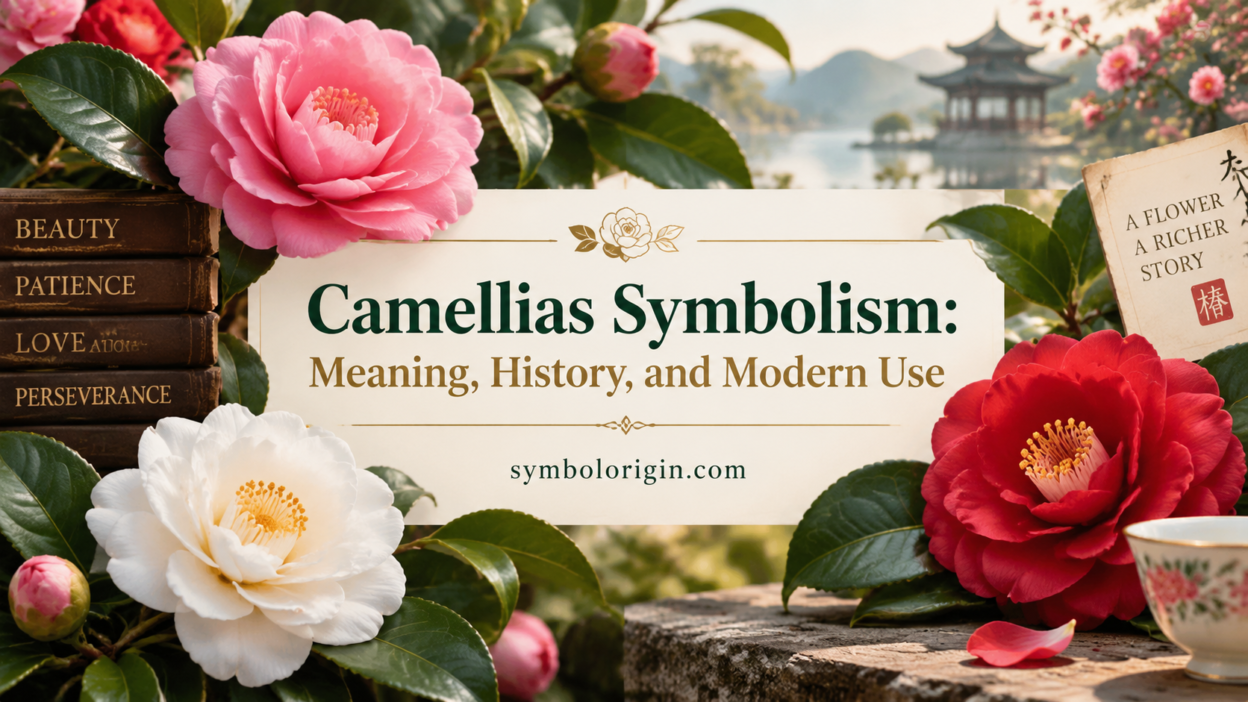
Flowers often communicate emotions that words cannot fully express. A bouquet, garden plant, or single bloom can represent love, respect, remembrance, or personal identity. Among these flowers, the camellia holds a special place because its meanings have developed across different cultures, artistic traditions, and personal experiences.
Camellias symbolism is commonly connected with admiration, affection, elegance, and devotion in modern American culture. Historically, camellias have also represented refinement, romantic love, perfection, and social status in East Asian traditions and European art.
The camellia is admired for its smooth petals, symmetrical shape, and ability to bloom during cooler seasons when many other flowers disappear. These qualities have helped shape its symbolic associations with endurance, beauty, and quiet strength.
Today, people encounter camellias in gardens, weddings, tattoos, fashion, home decoration, and floral arrangements. While meanings can vary depending on color and cultural background, the flower generally represents positive emotions and thoughtful connections.
Quick Answer
Camellias symbolism commonly represents admiration, love, devotion, and elegance in modern American culture, especially in gifts, gardens, weddings, and personal designs. Historically, camellias have also been associated with refinement, purity, and social beauty in Asian and European traditions.
TL;DR
Camellias represent admiration, love, and elegance.
Color changes the flower’s symbolic meaning.
East Asian traditions shaped early camellia symbolism.
Americans often use camellias for beauty and affection.
Camellia tattoos express personal identity.
Modern meanings focus on connection and grace.
What the Camellia Flower Looks Like and Where It Appears
Camellias are flowering plants known for their rounded blooms, layered petals, and polished green leaves. They belong to the genus Camellia, which includes many species and cultivated varieties. The most recognized types are grown for their ornamental flowers and, in some cases, tea production.
The flowers can appear in several colors, including white, pink, red, and sometimes yellow varieties. Their structured petals create a balanced appearance that has often been compared with roses, although camellias have their own distinct shape and cultural history.
In the United States, camellias are especially common in warmer regions such as the Southeast and parts of the West Coast. They are popular in gardens because they bloom during late fall, winter, or early spring, bringing color to landscapes when many plants are dormant.
Their appearance contributes strongly to their symbolism. The organized layers of petals often suggest harmony and careful beauty, while the evergreen leaves are associated with lasting presence.
What Camellias Commonly Mean in the United States
In modern American culture, camellias are most often associated with admiration, affection, and graceful beauty. They are frequently chosen when someone wants to express appreciation without using a traditional rose.
A pink camellia often represents admiration and gentle affection. It may be given to someone who is respected or appreciated. White camellias are commonly linked with purity, sincerity, and peaceful feelings. Red camellias are usually connected with romantic love and strong emotional attachment.
Unlike some flowers that carry a single widely recognized message, camellias have flexible meanings. Their interpretation often depends on the relationship between the giver and receiver, the color chosen, and the occasion.
Americans may encounter camellias in:
Context Meaning in the USA Common Associations Notes
Romantic gifts Love and admiration Affection, attraction Often chosen as an alternative to roses
Weddings Beauty and devotion Elegance, commitment Used in bouquets and decorations
Gardens Grace and lasting beauty Nature, patience Popular ornamental plant
Tattoos Personal meaning Identity, memory, femininity Depends on individual interpretation
Memorial settings Remembrance and respect Peace, honor Used selectively in floral designs
Ancient Roots and Early Camellia Symbolism
The symbolic history of camellias begins primarily in East Asia, especially China and Japan, where the flower has been cultivated for centuries. In these cultures, camellias were appreciated not only for their appearance but also for their connection to beauty, discipline, and seasonal change.
In China, camellias were traditionally admired as elegant flowers connected with refinement and feminine beauty. Their balanced shape and careful growth made them suitable subjects for paintings, poetry, and garden design.
Japan developed its own relationship with camellias, known there as tsubaki. The flower became part of Japanese art and cultural expression. Samurai families sometimes used camellia imagery, and the flower appeared in traditional designs because of its association with beauty and dignity.
However, symbolism was not always entirely positive. In some Japanese contexts, the way camellia blossoms naturally fall from the plant became associated with sudden endings or death. This interpretation was especially connected with samurai culture, where imagery of falling blossoms could represent mortality.
This shows an important point about symbols: the same object can carry different meanings depending on historical context.
Camellia Symbolism in Chinese Culture
Chinese traditions have long valued flowers as symbols of character, emotions, and social ideals. Camellias became associated with qualities such as elegance, affection, and careful beauty.
The flower’s ability to bloom in cooler weather contributed to ideas of resilience and steady growth. Unlike delicate flowers that appear only briefly, camellias can maintain their beauty for extended periods, which helped connect them with reliability and endurance.
In traditional Chinese artistic expressions, flowers often represented personal qualities. A camellia could suggest someone who was refined, graceful, and admired by others.
Modern interpretations in Chinese communities may still connect camellias with beauty, love, and appreciation, although meanings vary depending on family traditions and personal beliefs.
Japanese Camellia Symbolism and Cultural Meaning
Japan’s relationship with the camellia is one of the most recognized examples of flower symbolism. The Japanese camellia, or tsubaki, appears in gardens, artwork, clothing patterns, and traditional crafts.
Red camellias in Japan are often associated with love and admiration. They can represent deep affection and respect. White camellias may suggest waiting, sincerity, or purity.
At the same time, historical associations with falling camellia blossoms created another interpretation. Because the entire flower can drop from the stem rather than losing petals gradually, some people connected it with sudden change or mortality.
Today, these older associations are less dominant in many everyday settings. Many people simply appreciate camellias for their beauty and cultural importance.
How Camellias Became Popular in Europe and America
Camellias gained popularity outside Asia after they were introduced to Europe through international plant exchanges. During the 18th and 19th centuries, wealthy European gardeners collected exotic plants, and camellias became fashionable additions to estates and botanical collections.
The flower became strongly associated with luxury and sophistication during the Victorian era. Victorian society often used flowers to communicate emotions, and camellias developed symbolic meanings related to admiration and attraction.
In the United States, camellias became especially popular in southern gardens. Their ability to thrive in warmer climates made them a natural choice for landscapes in states such as South Carolina, Georgia, Louisiana, and parts of California.
Over time, camellias moved from being viewed as rare ornamental plants to becoming familiar garden flowers connected with beauty, tradition, and regional identity.
The Meaning of Camellia Colors
Color plays a major role in how people interpret camellias. Different shades can communicate different emotions.
Red Camellias
Red camellias are often associated with passion, romantic love, and strong admiration. They are commonly chosen when someone wants to express deep feelings or appreciation.
Their bold color makes them suitable for romantic occasions and decorative arrangements where emotional intensity is important.
Pink Camellias
Pink camellias represent admiration, affection, and gentle appreciation. They are often viewed as softer and more delicate than red varieties.
Many people choose pink camellias when expressing gratitude, friendship, or respect.
White Camellias
White camellias are commonly connected with purity, sincerity, and peaceful emotions. They can appear in weddings, memorial arrangements, and formal floral designs.
Their clean appearance often gives them a feeling of simplicity and elegance.
Yellow Camellias
Yellow camellias are less common but are often associated with happiness, warmth, and friendship. Their bright color can suggest optimism and positive relationships.
Why Camellias Represent Love, Admiration, and Devotion
Camellias are often chosen as symbols of affection because their appearance combines softness with structure. The flower’s carefully arranged petals and long-lasting evergreen leaves have encouraged associations with steady emotions rather than temporary attraction.
In the United States, people often interpret camellias as a sign of appreciation, loyalty, and sincere admiration. A camellia gift may communicate respect for someone’s character or affection for a close relationship. The flower is especially valued by gardeners and flower enthusiasts who appreciate its ability to bloom during colder months when many landscapes appear quiet.
The symbolism also connects with the idea of quiet expression. Unlike flowers chosen only for dramatic romantic messages, camellias often suggest feelings that are thoughtful and carefully expressed.
The Emotional and Psychological Meaning of Camellias
Flowers influence how people communicate emotions, and camellias often create associations with calmness, elegance, and appreciation. Their balanced shape can suggest order and harmony, while their seasonal blooming pattern may remind people of patience and persistence.
From a psychological perspective, people often connect flowers with memories, relationships, and personal milestones. A camellia planted in a garden may represent a family tradition, a meaningful place, or a connection to someone important.
Common emotional associations include:
- Admiration: appreciating someone’s qualities or achievements.
- Affection: expressing care without excessive intensity.
- Grace: representing elegance and thoughtful behavior.
- Commitment: symbolizing lasting relationships.
- Renewal: connecting with seasonal change and new beginnings.
These interpretations are personal rather than fixed rules. The meaning of a camellia often depends on the person, situation, and cultural background.
Camellias in American Gardens and Regional Identity
Camellias have a particularly strong connection with the American South. Their ability to grow well in warmer climates helped them become recognizable features of Southern gardens, historic homes, and public landscapes.
In the United States, the camellia is especially connected with Alabama, where it serves as the state flower. Many Southern communities celebrate the plant through gardens, festivals, and local traditions.
For many Americans, a camellia garden represents:
- Southern hospitality
- connection to nature
- family heritage
- traditional beauty
- seasonal renewal
Unlike some symbols that exist mainly in literature or mythology, camellias remain a living part of everyday landscapes.
Why Camellias Appear in Weddings and Romantic Traditions
Camellias are increasingly used in weddings because their appearance fits themes of elegance and commitment. Their symmetrical blooms work well in bouquets, centerpieces, and decorative arrangements.
White camellias can complement traditional wedding themes because they are often associated with sincerity and purity. Pink varieties may represent affection and appreciation between partners, while red camellias can create a stronger romantic statement.
Couples may choose camellias when they want a flower that feels more personal and less predictable than common wedding choices. The bloom’s connection with devotion and admiration makes it suitable for celebrations focused on lasting relationships.
Camellia Symbolism in Fashion and Design
Camellias have influenced fashion, especially through their association with elegance and luxury. One of the most recognizable examples is the relationship between the camellia flower and French fashion design.
The flower became closely connected with Gabrielle “Coco” Chanel, who used camellia imagery in accessories, jewelry, clothing details, and brand aesthetics. Over time, the camellia became recognized as a symbol of refined style and understated sophistication.
Today, camellia-inspired designs appear in:
- jewelry
- handbags
- clothing patterns
- home decorations
- beauty products
- artwork
In these settings, the flower usually communicates elegance rather than a specific emotional message.
Why People Choose Camellia Tattoos
Camellia tattoos are popular among people who want floral artwork with personal meaning. Because the flower has multiple cultural interpretations, tattoo meanings can vary widely.
Common camellia tattoo meanings include:
Beauty and Confidence
The flower’s refined appearance makes it a symbol of personal style and confidence.
Love and Relationships
Many people choose camellias to represent romantic bonds, family connections, or lasting affection.
Personal Growth
Because camellias bloom during cooler seasons, some people interpret them as symbols of endurance and growth during challenging periods.
Cultural Connection
For individuals with connections to East Asian traditions, a camellia tattoo may represent cultural heritage, artistic appreciation, or family history.
A tattoo’s meaning ultimately comes from the wearer. The same camellia design may represent romance for one person and resilience for another.
Camellias in Literature, Art, and Popular Culture
Camellias have appeared in literature and visual art because of their connection with beauty, social identity, and emotion.
One famous example is the novel The Lady of the Camellias by Alexandre Dumas fils, where the flower became associated with the central character and themes of love, social expectations, and personal sacrifice.
The flower also appears in American literature. In Harper Lee’s To Kill a Mockingbird, camellia bushes play a meaningful role in the relationship between Jem Finch and Mrs. Dubose, connecting the flower with ideas of conflict, forgiveness, and understanding.
These examples show how flowers can develop meanings beyond traditional symbolism through storytelling.
Religious and Spiritual Interpretations of Camellias
Camellias do not have one universal religious meaning, but different cultures have included them in spiritual and ceremonial contexts.
In some East Asian traditions, camellias have appeared in temple gardens, artistic expressions, and seasonal celebrations. Their beauty and evergreen nature contributed to associations with harmony, respect, and continuity.
In modern American settings, camellias are usually viewed more through personal, cultural, or aesthetic meanings rather than specific religious symbolism.
People may include camellias in meaningful spaces because the flower reminds them of:
- peace
- remembrance
- gratitude
- connection with nature
Common Misunderstandings About Camellia Symbolism
Because flowers carry different meanings across cultures, camellia symbolism is sometimes oversimplified.
One common misunderstanding is that every camellia always represents romance. While love and admiration are common interpretations, the flower can also represent friendship, respect, beauty, or personal memories.
Another misunderstanding comes from Japanese symbolism. Some people focus only on the association between falling camellia blossoms and death. This interpretation exists in certain historical contexts, especially connected with samurai culture, but it does not represent all modern views of the flower.
Symbols change over time. A flower’s meaning depends on the culture, historical period, and individual using it.
How Camellia Meaning Has Changed in Modern Culture
The meaning of camellias has expanded as the flower moved between cultures. Early interpretations were shaped by East Asian traditions, while European and American societies added new associations connected with romance, gardening, fashion, and personal expression.
Today, camellias are often viewed through a more individual lens. A person may choose a camellia because it reminds them of:
- a family garden
- a loved one
- a meaningful place
- a personal achievement
- a favorite artistic style
Modern symbolism tends to focus less on strict definitions and more on emotional connection.
Camellias in Modern Home Decor and Digital Culture
Camellia designs appear frequently in modern decorating because the flower combines natural beauty with a classic appearance.
People use camellia patterns in:
- wallpapers
- paintings
- fabrics
- ceramics
- seasonal decorations
On social media platforms, floral images often communicate lifestyle themes such as gardening, elegance, self-expression, and appreciation for nature.
The camellia’s popularity in visual culture comes from its recognizable shape and ability to represent both traditional and modern ideas.
Frequently Asked Questions About Camellias Symbolism
What does a camellia symbolize?
Camellias commonly symbolize admiration, affection, love, and elegance. Their meaning can change depending on color, culture, and personal interpretation.
What does a red camellia symbolize?
A red camellia is often associated with romantic love, passion, and strong admiration. It is commonly chosen when someone wants to express deep affection.
Are camellias good symbols for tattoos?
Yes. Camellias are popular tattoo choices because they can represent beauty, love, resilience, personal identity, and cultural connections.
What do white camellias symbolize?
White camellias are often connected with sincerity, purity, peace, and graceful beauty. Their meaning may vary between cultures and situations.
Why are camellias important in Japanese culture?
In Japan, camellias have long appeared in gardens, art, and traditions. They can represent beauty and dignity, although some historical interpretations connect falling blossoms with mortality.
Are camellias associated with weddings?
Yes. Many people use camellias in weddings because they represent admiration, devotion, and elegance. Their appearance also works well with formal floral designs.
Is camellia symbolism always positive?
Not always. While most modern interpretations are positive, some historical contexts gave camellias different meanings, especially related to endings or mortality.
Conclusion
Camellias have developed a wide range of meanings across cultures, but their most common modern associations are admiration, affection, elegance, and devotion. Their beauty, seasonal blooming, and cultural history have allowed them to remain meaningful in gardens, art, fashion, and personal expression.
Camellias symbolism continues to evolve as people connect the flower with relationships, memories, identity, and personal values. Whether displayed in a garden, worn as jewelry, or chosen as a tattoo, the camellia represents a thoughtful balance between beauty and meaning.
The flower’s lasting appeal comes from its ability to express emotion quietly — through shape, color, and the personal stories people attach to it.