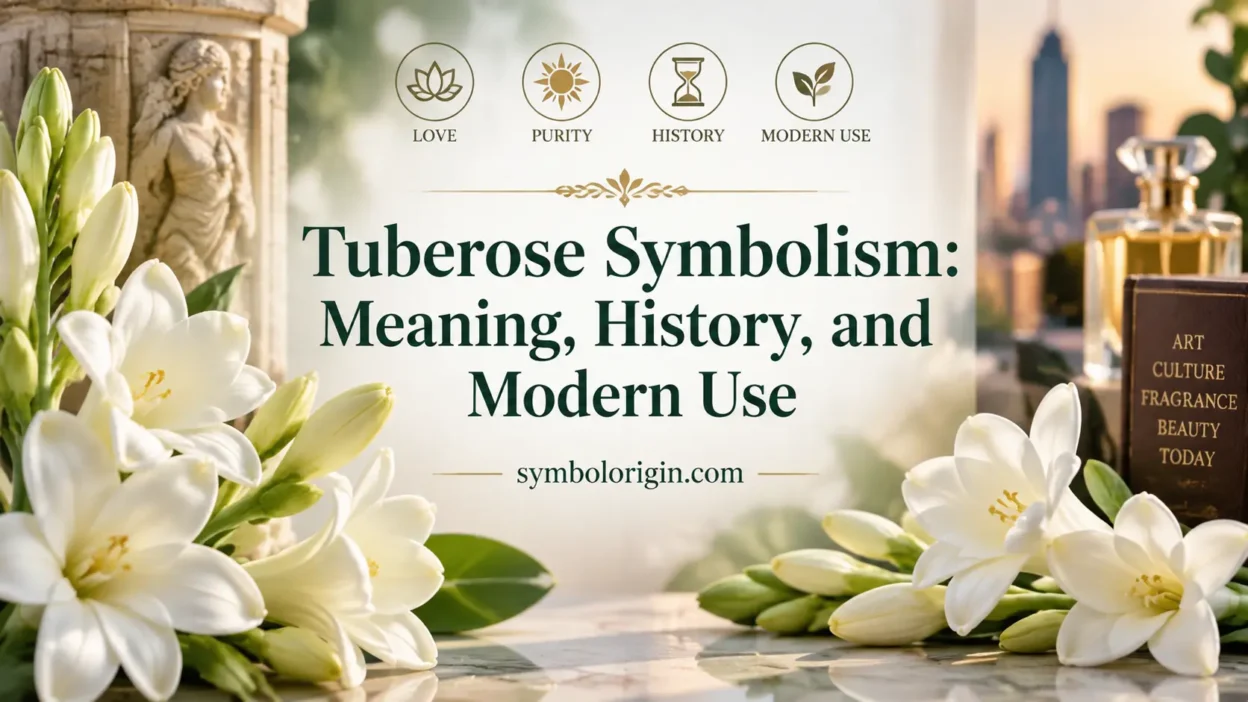
Flowers often carry meanings that go beyond their appearance. Their colors, scents, and cultural associations can communicate emotions that people may struggle to express with words. The tuberose symbolism is especially connected with ideas of devotion, purity, affection, and emotional memory because of the flower’s intense fragrance and long history in ceremonies and personal expression.
Known scientifically as Polianthes tuberosa (now classified as Agave amica), tuberose is a night-blooming flower recognized for its tall stems and clusters of small white blossoms. Unlike many flowers that attract attention through bright colors, tuberose creates an impression through scent, making it a symbol often linked with presence, intimacy, and remembrance.
In the United States, tuberose is commonly associated with weddings, gardens, floral arrangements, perfumes, and meaningful gifts. Its symbolism has also developed through connections with different cultures, where the flower has represented love, spirituality, celebration, and sometimes warnings about overwhelming emotions.
Quick Answer
Tuberose symbolism commonly represents love, purity, devotion, and emotional connection in modern American culture, especially in weddings, perfumes, and meaningful floral arrangements. Historically, it has also been associated with spiritual ceremonies, celebration, and strong emotions because of its intense fragrance and nighttime blooming.
TL;DR
- Tuberose represents love, purity, and devotion.
- Its fragrance shaped many cultural meanings.
- Americans use it in weddings and floral designs.
- Some traditions connect it with spirituality and remembrance.
- Modern uses include perfume, tattoos, and decor.
What Is the Tuberose Flower and Why Does It Carry Meaning?
Tuberose is a flowering plant known for its long green stems and small white flowers that grow in clusters. The blooms usually open in the evening and release a strong, sweet fragrance that can fill an entire space.
Unlike roses or lilies, tuberose is not widely recognized by appearance alone. Its symbolism comes largely from the experience of encountering it. The flower’s powerful scent, delicate white petals, and evening blooming pattern have encouraged people to associate it with emotions that are subtle but memorable.
In floral traditions, flowers with white blooms are often connected with innocence, peace, and elegance. Tuberose adds another layer because its fragrance creates a sense of closeness and personal connection.
The Core Meanings Associated With Tuberose
The most common meanings connected with tuberose include:
| Context | Meaning in the USA | Common Associations | Notes |
|---|---|---|---|
| Weddings | Love and commitment | Bridal flowers, romance, elegance | Often chosen for fragrance |
| Memorials | Remembrance and affection | Sympathy arrangements | Represents lasting memories |
| Personal gifts | Admiration and care | Romantic gestures | Used for meaningful occasions |
| Perfume | Sensuality and confidence | Luxury, beauty, style | Fragrance shapes perception |
| Gardens | Calm and beauty | Night gardens, relaxation | Valued for evening blooms |
The flower does not have one fixed meaning everywhere. Instead, its symbolism changes depending on the occasion, cultural background, and personal connection.
Ancient Roots and Early Symbolism of Tuberose
Tuberose has roots in Central America, particularly Mexico, where indigenous communities cultivated the plant before it became popular in other parts of the world. The Aztecs used tuberose in different cultural settings and valued it for its fragrance.
The flower later traveled through trade routes and became popular in Europe and Asia. As it spread, new meanings developed around its appearance and scent.
In some historical traditions, fragrant flowers were connected with sacred spaces because scent was considered a way to create a special atmosphere. Tuberose’s strong aroma made it suitable for ceremonies, celebrations, and personal adornment.
Over time, the flower moved from religious and cultural settings into gardens, perfumes, and decorative traditions.
Tuberose Symbolism in American Culture
In the United States, tuberose is most often associated with romance, elegance, and special occasions. Although it is less common than roses or lilies, it has a distinctive appeal because of its fragrance.
American florists often use tuberose in:
- wedding bouquets
- luxury floral arrangements
- anniversary gifts
- garden designs
- perfume-inspired events
Many Americans view tuberose as a sophisticated flower rather than an everyday choice. Its rarity and strong scent can make it feel more personal and intentional.
The flower also fits modern preferences for meaningful experiences. People often choose flowers not only for appearance but also for the atmosphere and memories they create.
Why Tuberose Is Connected With Love and Romance
Tuberose has a strong connection with romantic symbolism because of its fragrance and appearance. White flowers have traditionally represented sincerity and affection, while memorable scents often become linked with emotional experiences.
A person may remember a specific place, event, or relationship because of a particular fragrance. Tuberose’s noticeable scent makes it especially connected with emotional memory.
For weddings, the flower can represent:
- lasting affection
- a new chapter in life
- emotional closeness
- beauty that is experienced rather than simply seen
Unlike flowers chosen only for visual beauty, tuberose creates a sensory experience that combines sight and scent.
Spiritual and Religious Interpretations of Tuberose
Different cultures have used fragrant flowers in spiritual practices, and tuberose has been included in some traditions connected with worship and ceremonies.
In parts of South Asia, tuberose is used in religious offerings and celebrations. The flower’s white color and fragrance contribute to associations with respect, devotion, and sacred spaces.
However, interpretations vary widely. In the United States, tuberose is usually viewed through cultural and personal symbolism rather than a specific religious meaning.
The flower may represent:
- devotion
- peace
- gratitude
- connection to important moments
Its spiritual meaning depends on the tradition and the person using it.
The Emotional and Psychological Meaning of Tuberose
Flowers can influence emotions through color, scent, and memory. Tuberose has a particularly strong emotional effect because fragrance is closely connected with the brain’s memory systems.
The scent of tuberose may create feelings of:
- comfort
- nostalgia
- romance
- calmness
- appreciation
Because the fragrance is strong, people often have different reactions to it. Some find it luxurious and beautiful, while others may consider it too intense.
This emotional contrast is part of what makes tuberose memorable.
Tuberose in Weddings and Celebrations
Wedding symbolism is one of the most common modern uses of tuberose. Couples often select it because it combines traditional meanings of white flowers with a distinctive fragrance.
Tuberose can appear in:
- bridal bouquets
- table decorations
- ceremony arrangements
- floral crowns
- reception designs
Its association with commitment and affection makes it suitable for events that celebrate relationships.
In American wedding culture, flower choices often reflect personality and atmosphere. Tuberose is frequently selected by people who want something elegant, romantic, and less predictable than common wedding flowers.
Tuberose in Perfume, Fashion, and Beauty Culture
Tuberose has a major role in the fragrance industry. Its rich floral scent has made it a popular ingredient in perfumes, especially those designed to feel luxurious, feminine, or elegant.
In beauty culture, tuberose is often associated with:
- confidence
- sophistication
- personal style
- sensual elegance
Perfume allows the symbolism of tuberose to extend beyond flowers. A person wearing a tuberose fragrance may connect with the qualities traditionally linked to the flower, such as grace and individuality.
Tuberose Symbolism in Tattoos and Personal Expression
Although less common than rose or lotus tattoos, tuberose tattoos have gained attention among people who prefer unique floral designs.
A tuberose tattoo may symbolize:
- a meaningful relationship
- personal growth
- memory of someone important
- appreciation for beauty
- quiet strength
Because the flower is not instantly recognized by everyone, some people choose it because its meaning feels personal rather than obvious.
Tattoo interpretations depend on the individual. The same design can represent romance for one person and remembrance for another.
Tuberose in Home Decor and Modern Design
Interior designers and homeowners often use floral themes to create certain moods. Tuberose fits spaces that aim for elegance, softness, and natural beauty.
Its symbolism works well in:
- floral artwork
- candles and fragrances
- botanical prints
- garden planning
- seasonal decorations
In modern American homes, flowers are often selected because they support a feeling or lifestyle. Tuberose can create an atmosphere associated with relaxation, beauty, and thoughtful design.
Cross-Cultural Meanings of Tuberose
Tuberose has developed different meanings across cultures as it traveled around the world.
In Mexico, where the flower originated, tuberose has historical connections with traditional cultivation and cultural celebrations.
In India and other parts of Asia, tuberose is often connected with ceremonies, festivals, and religious practices. Its fragrance makes it a popular flower for decorative and sacred purposes.
In European traditions, fragrant white flowers often became connected with elegance and refinement.
These meanings are not identical, but they share common themes: beauty, devotion, celebration, and emotional connection.
Common Misunderstandings About Tuberose Symbolism
Because flowers often carry many interpretations, tuberose can sometimes be misunderstood.
One common misconception is that every flower has one universal meaning. In reality, symbolism changes across cultures and personal experiences.
Another misunderstanding is that strong fragrance always represents romance. While tuberose is often linked with love, its scent can also represent memory, ceremony, or spiritual devotion.
Some people also assume that white flowers only symbolize purity. While purity is one association, white flowers can also represent remembrance, respect, peace, or new beginnings.
Understanding the context helps reveal the intended meaning.
How Tuberose Symbolism Has Changed Over Time
The meaning of tuberose has evolved as the flower moved between cultures and uses.
Originally valued for its fragrance and cultivation in Mexico, it later became connected with ceremonies, perfumes, and decorative traditions worldwide.
Today, Americans often view tuberose through a combination of older symbolism and modern lifestyle choices. It can represent romance at a wedding, elegance in perfume, or personal memories in a garden.
The flower’s meaning continues to change because people attach their own experiences to it.
Modern Uses of Tuberose Symbolism
Today, tuberose appears in many forms beyond traditional flower arrangements.
Common modern uses include:
- wedding designs
- luxury perfumes
- botanical artwork
- tattoos
- social media photography
- home fragrance products
- garden landscaping
On social media, flowers are often used to communicate personality and mood. Tuberose fits content focused on elegance, nature, self-expression, and romantic aesthetics.
Its modern appeal comes from its ability to feel both classic and distinctive.
Frequently Asked Questions About Tuberose Symbolism
What does tuberose symbolize in the United States?
In the United States, tuberose commonly symbolizes love, elegance, devotion, and emotional connection. It is often used in weddings, perfumes, and special floral arrangements because of its distinctive fragrance.
Is tuberose a romantic flower?
Yes, tuberose is often considered romantic because of its sweet scent and association with affection and intimate moments. However, it can also represent remembrance, beauty, and celebration.
What does a tuberose tattoo symbolize?
A tuberose tattoo may symbolize personal memories, love, growth, or appreciation for unique beauty. The meaning depends on the person’s story and the design choices.
Does tuberose have spiritual meaning?
In some cultures, tuberose is connected with devotion, ceremonies, and sacred traditions. In the United States, its spiritual meaning is usually personal rather than connected to one specific belief system.
Why is tuberose used in perfumes?
Tuberose is popular in perfumes because its strong floral scent creates a memorable and luxurious impression. Its fragrance has helped connect the flower with elegance and confidence.
Is tuberose symbolism always positive?
Most interpretations of tuberose are positive, focusing on love, beauty, and devotion. However, because its fragrance is intense, some people associate it with overwhelming emotions or strong memories.
What is the difference between tuberose and rose symbolism?
Rose symbolism is more widely recognized and often focuses on love and passion. Tuberose symbolism is less common but emphasizes fragrance, emotional memory, elegance, and devotion.
Conclusion
Tuberose is a flower whose meaning comes from more than its appearance. Its white blossoms, powerful fragrance, and cultural history have connected it with love, devotion, remembrance, and celebration in many settings.
In modern America, tuberose symbolism continues to appear in weddings, perfumes, gardens, tattoos, and personal expressions of beauty. While its meaning changes from person to person, the flower remains valued for its ability to create emotional connections through scent and memory.
Rather than having one fixed definition, tuberose represents the moments people choose to remember and the feelings they want to preserve.