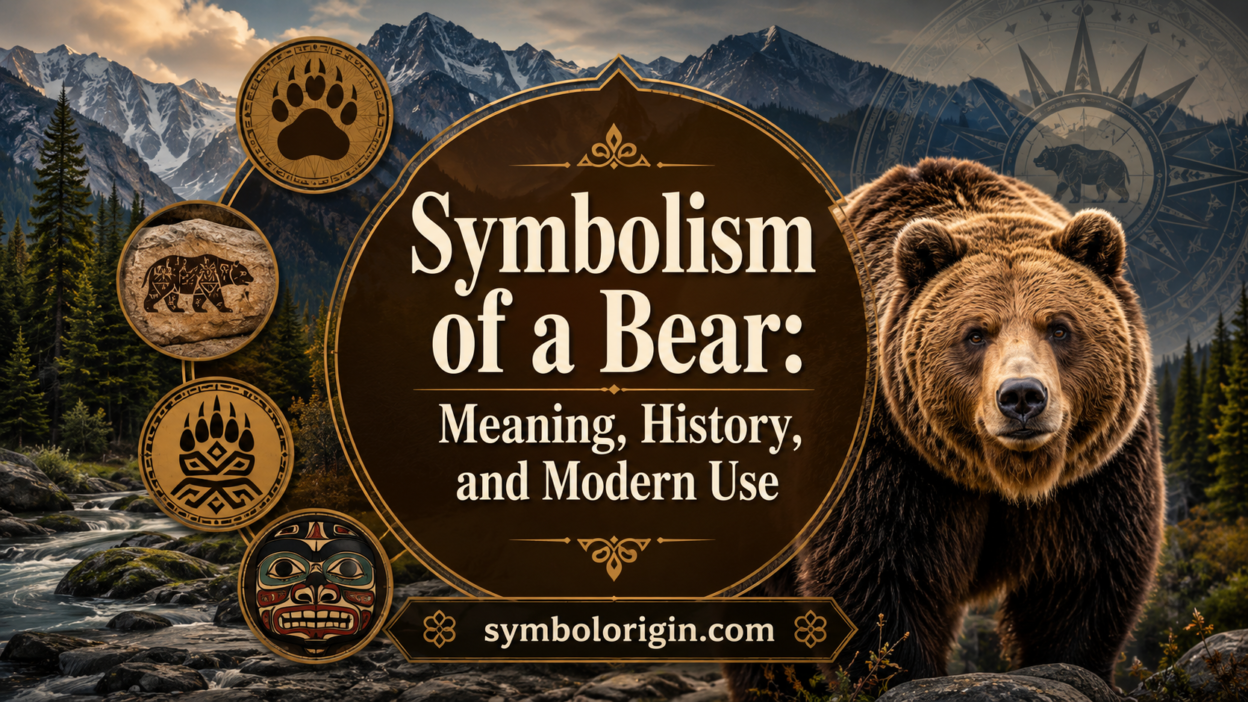
The symbolism of a bear is commonly connected with strength, protection, courage, and independence. Across the United States, bears often represent resilience, confidence, and a close relationship with the natural world. From wildlife imagery and sports mascots to tattoos and outdoor culture, the bear remains one of the most recognizable animal symbols in modern life.
People are drawn to bear symbolism because the animal carries multiple meanings at once. A bear can represent a protective parent, a powerful survivor, a quiet individual who values solitude, or a reminder of nature’s balance. Its meaning changes depending on the culture, setting, and personal experience behind the symbol.
In American culture, bears appear in many forms: national parks, Native traditions, children’s stories, brand identities, sports teams, and personal artwork. Understanding the history behind this animal symbol reveals why it continues to hold emotional importance today.
Quick Answer
The symbolism of a bear commonly represents strength, protection, courage, and independence in modern American culture. Historically, bears have also symbolized leadership, spiritual connection, survival, and respect for the natural world in many cultural traditions.
TL;DR
- Bears symbolize strength, courage, and personal resilience.
- Native traditions often connect bears with wisdom and protection.
- American culture views bears as wilderness icons.
- Bear tattoos express identity and personal power.
- Bear imagery appears widely in modern design.
- Misuse can separate symbols from cultural meanings.
What a Bear Represents as a Symbol
A bear’s physical characteristics explain many of its symbolic meanings. Bears are large, powerful animals with strong bodies, sharp instincts, and the ability to survive in challenging environments. They can defend themselves fiercely but also spend long periods alone, creating a connection between power and independence.
The bear often represents:
- Strength: Its size and physical ability make it a natural symbol of endurance.
- Protection: Many people associate bears with defending family and territory.
- Courage: Facing danger directly is a common interpretation of bear behavior.
- Independence: Solitary habits connect bears with self-reliance.
- Survival: Their ability to adapt reflects persistence through difficulty.
Unlike symbols that have one fixed meaning, the bear changes depending on how people use it. A bear in a national park sign may represent wilderness conservation, while a bear tattoo may represent personal identity or overcoming challenges.
Ancient Roots and Early Bear Symbolism
Human connections with bears go back thousands of years. Archaeological discoveries suggest that early societies respected bears because they viewed them as unusually powerful animals that shared qualities with humans.
In prehistoric Europe, bears appeared in rituals and artwork. Some ancient communities treated bears with special respect because of their intelligence, strength, and ability to survive harsh conditions.
The bear’s habit of hibernation also influenced symbolic interpretations. Because bears disappear during winter and return in spring, some cultures connected them with renewal, transformation, and cycles of life.
Over time, the bear became associated with leadership and authority. Its dominance in the natural environment helped create an image of the bear as a creature worthy of respect.
Bear Symbolism in Native American Traditions
In many Native American cultures, bears hold important spiritual and cultural meanings. However, interpretations vary widely among different nations, and there is no single Native American meaning of the bear.
Many traditions connect bears with:
- protection
- healing
- strength
- wisdom
- courage
- connection to the natural world
Some Indigenous stories describe bears as teachers or powerful beings with important lessons about balance and responsibility. The bear may appear in ceremonies, stories, art, and clan identities depending on the specific community.
It is important to understand these traditions respectfully rather than treating all Indigenous beliefs as one shared system. Bear symbolism is connected to living cultures, not just historical stories.
What Bears Symbolize in the United States Today
In the United States, bears are strongly linked with wilderness, conservation, and outdoor identity. Images of bears often remind people of forests, mountains, national parks, and the importance of protecting natural habitats.
The bear became especially recognizable through species such as the American black bear and grizzly bear. The grizzly, in particular, has become a symbol of the American West and appears on historical state symbols, including the California state flag.
Modern American interpretations often include:
| Context | Meaning in the USA | Common Associations | Notes |
|---|---|---|---|
| Wildlife | Nature and conservation | Forests, parks, wilderness | Connected with environmental awareness |
| Tattoos | Personal strength | Courage, survival, identity | Meaning depends on the wearer |
| Sports | Power and teamwork | Mascots, competition | Often represents toughness |
| Home Decor | Comfort and outdoors | Rustic style, cabins | Common in nature-inspired designs |
| Stories | Protection and character | Family, adventure | Often used for emotional lessons |
The bear has become both a symbol of wild nature and a familiar cultural image used in everyday life.
The Bear as a Symbol of Protection and Family
One of the strongest modern meanings associated with bears is protection. This connection comes partly from the behavior of mother bears, especially when they defend their cubs.
Because of this association, people often use bear imagery to represent:
- parental love
- family loyalty
- emotional security
- guardianship
In American culture, bear symbols are sometimes used in nurseries, family artwork, and gifts to represent care and safety.
However, the protective meaning does not only relate to parenting. It can also represent protecting personal boundaries, standing up for others, or developing inner confidence.
Emotional and Psychological Meaning of Bear Symbolism
From a psychological perspective, the bear often represents qualities people want to develop within themselves. It reflects the balance between strength and calmness.
A person who identifies with the bear may see the symbol as representing:
- confidence during difficult situations
- comfort with solitude
- emotional resilience
- patience
- personal boundaries
The bear’s ability to rest during winter and return when conditions improve has also made it a symbol of recovery and personal renewal.
For some people, bear imagery represents the idea that strength does not always require constant action. Sometimes survival involves patience, rest, and knowing when to conserve energy.
Bear Symbolism in Tattoos and Personal Style
Bear tattoos are popular because they allow people to express personal stories through a familiar animal image. The meaning depends heavily on the design and the person wearing it.
Common bear tattoo meanings include:
- overcoming hardship
- connection with nature
- family protection
- independence
- courage
Different designs can create different interpretations. A roaring bear may emphasize power and defense, while a peaceful bear in a forest scene may represent harmony and a love of the outdoors.
Geometric bear tattoos, watercolor designs, and minimalist bear outlines have also become popular because they combine traditional animal symbolism with modern artistic styles.
Bears in Fashion, Decor, and Popular Culture
Bear imagery appears frequently in American fashion and home design. Outdoor brands often use bear illustrations because they communicate adventure, durability, and connection with nature.
In home decor, bear designs are common in:
- cabins
- rustic homes
- mountain retreats
- outdoor-themed rooms
Popular culture has also shaped how people view bears. Characters like friendly storybook bears create associations with kindness, comfort, and childhood memories, while fictional wild bears often emphasize strength and independence.
This contrast shows why bear symbolism is flexible. The same animal can represent both gentleness and power.
Spiritual and Cross-Cultural Meanings of Bears
Beyond Native American traditions, bears have appeared in many cultural belief systems.
In some Northern European traditions, bears were associated with warriors because of their strength and fearlessness. The word “berserker,” connected with legendary Norse warriors, is often linked to bear symbolism.
In parts of Asia, bears have appeared in folklore and traditional stories with meanings connected to nature, protection, and transformation.
Across cultures, the repeated themes are similar: respect for the bear’s strength, awareness of its connection to the natural world, and recognition of its independence.
Common Misunderstandings About Bear Symbolism
Because animal symbols spread widely through popular culture, some meanings become oversimplified.
A common misunderstanding is that every bear symbol represents aggression or dominance. While bears can represent strength, they also symbolize patience, protection, and balance.
Another issue is removing cultural symbols from their original context. Indigenous bear traditions, for example, should not be reduced to simple decorative meanings because they often carry specific cultural responsibilities and teachings.
Understanding the symbol requires looking at both the animal itself and the people who use the image.
How Bear Symbolism Has Changed Over Time
Bear symbolism has evolved as human relationships with nature have changed. Earlier societies often viewed bears with a mixture of respect, fear, and spiritual significance.
Today, many Americans encounter bears less as direct threats and more as symbols of wilderness and environmental awareness.
The modern bear represents a combination of older and newer ideas:
- ancient respect for strength
- cultural stories about wisdom
- conservation values
- personal identity
- emotional resilience
This evolution shows how symbols adapt while maintaining connections to their original meanings.
Why People Connect With Bear Symbols Today
People continue choosing bear symbols because the animal represents qualities many people value: confidence, protection, independence, and endurance.
In a modern world filled with constant communication and pressure, the bear can represent a desire for balance. It suggests the importance of knowing when to act, when to rest, and how to protect what matters.
Whether displayed as artwork, worn as jewelry, or used as a personal emblem, the bear remains meaningful because it connects human experiences with the natural world.
Frequently Asked Questions
What does a bear symbolize spiritually?
A bear can symbolize protection, wisdom, courage, and connection with nature in many spiritual traditions. Specific meanings depend on the culture and belief system where the symbol appears.
What does a bear tattoo usually mean?
A bear tattoo often represents strength, resilience, independence, or overcoming challenges. Some people choose bear designs to honor family protection or a personal connection with nature.
Are bears considered positive symbols?
Yes, bears are commonly viewed as positive symbols of strength, protection, and survival. However, some traditions also recognize the bear’s dangerous and unpredictable nature.
What does a bear symbolize in Native American culture?
Bear meanings vary among Native American nations. Many traditions associate bears with qualities such as healing, protection, courage, and respect for the natural world.
Why are bears used as sports mascots?
Bears are popular sports mascots because they represent toughness, determination, and competitive strength. Teams often use bear imagery to create a powerful identity.
What does a bear symbolize in dreams?
Dream interpretations vary, but bears in dreams are often associated with personal strength, protection, emotions, or challenges that require courage. The meaning depends on the dream’s context.
Conclusion
The symbolism of a bear represents a combination of strength, protection, independence, and respect for nature. Its meaning has developed through ancient traditions, cultural stories, and modern American experiences with wildlife and personal identity.
Today, the bear remains a flexible symbol that can represent a guardian, a survivor, a connection to the outdoors, or a reminder of inner confidence. Its lasting appeal comes from the balance it represents: powerful enough to defend, yet calm enough to wait and endure.