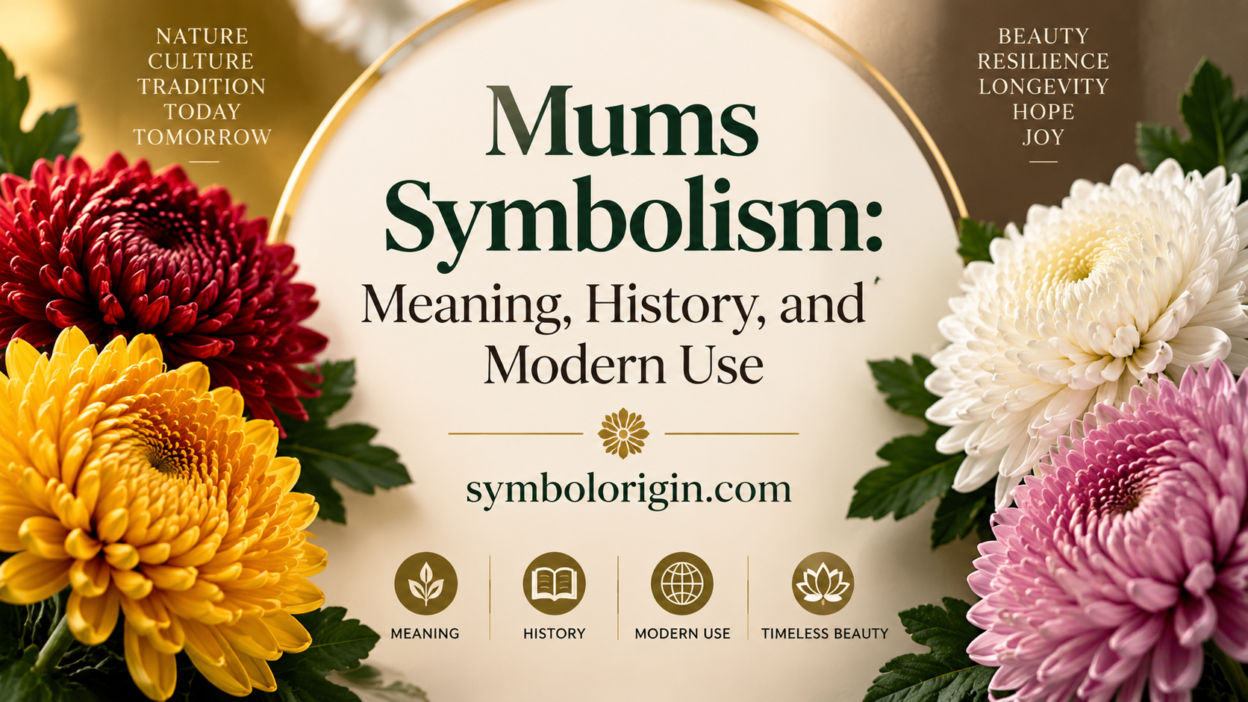
Mums symbolism is commonly connected with honor, love, respect, celebration, and remembrance, making chrysanthemums one of the most meaningful flowers in American culture. From fall decorations and home gardens to weddings, memorials, and personal gifts, mums carry different messages depending on their color and setting.
The mum flower, short for chrysanthemum, is one of the most recognizable autumn flowers in the United States. Many people associate it with seasonal change because it blooms when summer ends and cooler weather arrives. Its bright colors and long-lasting blooms make it a popular choice for porches, gardens, events, and public displays.
The meaning of mums has developed across different cultures over thousands of years. While some traditions connect chrysanthemums with life, joy, and celebration, others associate certain varieties with mourning and remembrance. Understanding these different interpretations helps explain why mums remain important in both everyday and ceremonial settings.
Quick Answer
Mums symbolism commonly represents respect, joy, loyalty, and seasonal celebration in modern American culture, especially in gardens, fall decorations, gifts, and special events. Historically, chrysanthemums have also been linked with honor, longevity, remembrance, and cultural traditions in Asia and Europe.
TL;DR
- Mums represent respect, celebration, and seasonal beauty.
- Chrysanthemums originated in ancient China.
- Americans connect mums with fall traditions.
- Colors influence each mum’s symbolic meaning.
- Mums appear in gardens, gifts, and memorials.
What Are Mums and Why Do People Notice Their Meaning?
Mums are flowering plants from the chrysanthemum family, known for their rounded blooms and wide range of colors. They can produce flowers in shades of yellow, white, red, orange, purple, and pink. Their ability to bloom in cooler months makes them especially popular during autumn.
In the United States, garden mums often appear on front steps, outdoor displays, and community spaces during fall. Their connection with changing seasons gives them a strong association with harvest time, warmth, and welcoming spaces.
People often look for flower meanings when choosing plants for gifts, celebrations, memorials, or personal spaces. Like roses, lilies, and sunflowers, mums communicate emotions without words. Their symbolism depends on cultural background, color, and personal experience.
What Mums Commonly Mean in the United States
In American culture, mums usually represent positive ideas such as appreciation, friendship, comfort, and celebration. They are often chosen because they are colorful, affordable, and easy to display during important moments.
One of the strongest modern associations with mums is autumn. Many Americans decorate homes with mums during Halloween, Thanksgiving, and the fall season. Their presence often creates a feeling of hospitality and seasonal renewal.
Mums are also connected with recognition and achievement. In some communities, people give chrysanthemums as gifts to show admiration or gratitude. Their full blooms can represent effort, care, and appreciation.
However, the meaning changes depending on the situation. A bright arrangement of orange mums at a fall gathering sends a different message than white chrysanthemums placed at a memorial service.
| Context | Meaning in the USA | Common Associations | Notes |
|---|---|---|---|
| Fall decoration | Seasonal joy and welcome | Autumn, harvest, home | Most common modern use |
| Gifts | Appreciation and friendship | Respect, kindness, gratitude | Depends on color |
| Memorials | Remembrance and honor | Sympathy, respect | Often linked with white mums |
| Gardens | Beauty and care | Growth, patience, nature | Popular perennial choice |
| Events | Celebration and decoration | Community, happiness | Used in public displays |
Ancient Roots and Early Chrysanthemum Symbolism
The chrysanthemum has a long history that began in ancient China more than two thousand years ago. Early Chinese traditions valued the flower for its beauty and believed it represented ideas connected with longevity and vitality.
The flower later became important in Japan, where it gained strong cultural significance. The chrysanthemum became associated with the Japanese imperial family and appeared in official symbols and traditions. In Japanese culture, the flower can represent dignity, honor, and the beauty of life.
Different societies developed their own interpretations of chrysanthemums as the flower spread across continents. Some focused on celebration and status, while others emphasized remembrance and respect.
When chrysanthemums reached Europe, their meanings changed again. In several European countries, especially France, Italy, and Belgium, white chrysanthemums became strongly connected with funerals and honoring the dead.
How Chrysanthemum Meaning Changed Across Cultures
A flower does not carry one universal meaning. The symbolism of mums depends heavily on where and how people use them.
In China, chrysanthemums have traditionally been associated with endurance, refinement, and a long life. They appear in art, poetry, and cultural celebrations.
In Japan, chrysanthemums symbolize honor and are connected with national identity. The flower represents elegance and tradition.
In parts of Europe, chrysanthemums often appear at cemeteries and remembrance ceremonies. This association can surprise Americans because many people in the United States mainly view mums as cheerful fall flowers.
These differences show why symbolic interpretation requires cultural awareness. The same flower can represent celebration in one place and mourning in another.
The Role of Mum Colors and Their Meanings
Color strongly influences how people interpret mums. Different shades can communicate different emotions, although meanings may vary between individuals and cultures.
Yellow mums are often associated with happiness, friendship, and optimism. Their bright appearance makes them common in cheerful arrangements and seasonal decorations.
White mums may represent purity, respect, and remembrance. In some cultures, they are connected with funerals and honoring loved ones who have passed away.
Red mums are often linked with love, passion, and strong affection. They may appear in romantic or meaningful personal gifts.
Purple and pink mums can suggest admiration, kindness, and appreciation. These colors are popular when people want to express care without the stronger romantic message associated with red flowers.
Why Mums Became a Symbol of Fall in America
Few flowers are as closely connected with autumn in the United States as mums. Their seasonal timing helped create a strong relationship between chrysanthemums and fall traditions.
Garden centers across America often display large groups of mums during September and October. Many homeowners place them near entrances, patios, and walkways to create welcoming seasonal decorations.
Their popularity also comes from practicality. Mums can survive cooler temperatures better than many summer flowers, making them a reliable choice when other plants begin to fade.
Because of this seasonal connection, mums often represent transition. They mark the movement from warmer months into a quieter period of the year.
Mums in American Holidays and Public Traditions
Mums appear frequently during American fall holidays and community events. They are especially common during Halloween, Thanksgiving, school events, and local festivals.
At Thanksgiving, mums may represent gratitude and togetherness because they are often included in table arrangements and outdoor decorations. Their warm colors match the traditional feeling of the holiday season.
Schools and communities also use mums in events because the flowers are durable and visually noticeable. In some areas, athletic teams and organizations sell mums as fundraising items or decorate with them during celebrations.
The flower’s connection with gathering and community has strengthened its place in American seasonal culture.
Emotional and Psychological Meaning of Mums
Flowers often communicate emotions because people connect their appearance, colors, and life cycles with human experiences. Mums are especially associated with feelings of comfort, appreciation, stability, and connection.
Because mums bloom during a period of seasonal change, many people associate them with adjustment and acceptance. Their ability to flower as temperatures become cooler can represent resilience and the ability to continue growing during transitions.
Mums also create emotional associations through personal memories. A person may connect mums with a family garden, a childhood home, a favorite holiday, or a meaningful event. These personal connections can become just as important as traditional symbolism.
In gifts, mums often communicate thoughtfulness rather than intense romance. They are commonly given to friends, teachers, neighbors, coworkers, and family members as a simple expression of gratitude and respect.
Mums Symbolism in Tattoos and Personal Style
Although mums are less common in tattoo culture than roses or lotus flowers, chrysanthemum tattoos have become popular among people who appreciate floral designs with cultural meaning.
A chrysanthemum tattoo may represent perseverance, honor, beauty, or personal growth. The meaning often depends on the design style, color choice, and the person’s individual story.
In Japanese-inspired tattoo art, chrysanthemums are often combined with other traditional elements such as waves, dragons, or koi fish. In these designs, the flower may reflect ideas connected with strength, dignity, and tradition.
In American tattoo culture, mums can also represent family memories, seasonal connections, or a love for gardening. Some people choose a mum tattoo to honor a loved one, especially when the flower reminds them of a meaningful place or moment.
The interpretation of a mum tattoo is personal. A design does not automatically carry one fixed meaning; instead, it becomes connected to the wearer’s own experiences.
Why Mums Appear in Home Decor and Garden Design
Mums are a popular choice for home decoration because they combine visual appeal with seasonal symbolism. Their dense blooms and bright colors make outdoor spaces feel welcoming during autumn.
In American homes, potted mums are often placed near doors, porches, balconies, and patios. This placement can symbolize hospitality because the entrance of a home often represents a connection between private life and the outside world.
Interior designers and decorators may use dried chrysanthemums or floral arrangements to create a feeling of warmth. Their association with fall makes them suitable for seasonal displays featuring pumpkins, leaves, candles, and natural materials.
Beyond decoration, growing mums can represent patience and care. Gardeners often return to the same plants each year, creating a connection between the flower and long-term attention.
Mums in Weddings, Celebrations, and Special Events
While roses and peonies often dominate wedding traditions, mums are also used in celebrations because of their variety, durability, and affordability.
In weddings, mums may represent loyalty, happiness, and lasting relationships. Their ability to hold their shape after blooming makes them practical for bouquets, centerpieces, and floral arrangements.
Couples may choose mums when they want a seasonal wedding theme, especially during late summer or autumn ceremonies. Orange, burgundy, yellow, and white mums can complement rustic or natural designs.
Beyond weddings, mums appear at birthdays, anniversaries, graduations, and community celebrations. Their broad color range allows people to match the flower with the emotion they want to express.
Mums and Mourning Traditions
Mums have a complicated symbolic role because they can represent both celebration and remembrance.
In the United States, chrysanthemums are sometimes used in sympathy arrangements because they communicate respect and honor. White mums, in particular, are often chosen for memorial settings because of their connection with dignity and remembrance.
In some European cultures, chrysanthemums have a much stronger association with funerals and cemeteries. This difference explains why flower meanings cannot always be separated from regional traditions.
For many Americans, the meaning of mums at a memorial depends on the relationship between the giver and receiver. The flower may represent honoring someone’s life rather than focusing only on loss.
Religious and Spiritual Interpretations of Mums
Mums have appeared in various religious and cultural traditions, although their meanings differ widely.
In some East Asian traditions, chrysanthemums have connections with longevity, balance, and seasonal cycles. They appear in cultural celebrations and artistic traditions rather than representing one single religious message.
In Western settings, chrysanthemums may appear in churches or memorial services because of their connection with respect and remembrance.
Modern Americans often interpret mums through personal beliefs rather than a fixed religious meaning. For many people, the flower represents gratitude, peace, family connections, or memories.
Common Misunderstandings About Mum Symbolism
One common misunderstanding is that mums always represent sadness or funerals. This idea comes from certain European traditions, but it does not describe how most Americans use garden mums today.
Another misunderstanding is that every mum color has one universal meaning. While colors often carry common associations, personal and cultural context can change the interpretation.
Some people also assume that chrysanthemum symbolism is only connected with ancient traditions. In reality, modern uses in gardens, home design, events, and personal expression continue to create new meanings.
The symbolism of mums works because it combines history with everyday experiences. People continue to shape what the flower represents through how they use it.
How Mums Symbolism Has Evolved in Modern Culture
The meaning of chrysanthemums has changed as the flower moved between cultures and generations. Ancient traditions focused on ideas like longevity, honor, and refinement, while modern American culture often emphasizes seasonal beauty and emotional connection.
Today, mums appear in both ordinary and meaningful moments. A person buying a small plant for a porch decoration may see it as a sign of autumn, while another person giving mums as a gift may view them as a message of appreciation.
Social media has also influenced how people see flowers. Photos of colorful fall arrangements, gardening projects, and floral designs have made mums part of modern lifestyle culture.
This evolution shows that symbols are not fixed. They develop as communities create new experiences around them.
Mums Symbolism in Modern American Identity and Lifestyle
For many Americans, mums represent simple traditions connected with home, family, and seasonal routines. They are not usually viewed as distant cultural symbols but as familiar parts of everyday life.
A row of mums on a front porch may communicate warmth and care. A garden filled with chrysanthemums may represent dedication and connection with nature. A gifted bouquet may express appreciation between people.
The flower’s popularity comes from its ability to fit many situations. It can be decorative, emotional, cultural, or personal depending on the setting.
This flexibility has allowed mums to remain meaningful in a changing society.
Frequently Asked Questions About Mums Symbolism
What do mums symbolize in American culture?
In American culture, mums commonly symbolize appreciation, seasonal celebration, friendship, and respect. They are especially connected with fall traditions, home decoration, and community events.
What does a mum tattoo symbolize?
A mum tattoo can represent perseverance, honor, beauty, personal memories, or cultural connections. The meaning depends on the design, colors, and the personal story behind the tattoo.
Are mums a symbol of love?
Mums can represent affection and care, especially when given as a gift. However, they usually communicate appreciation and respect rather than the romantic love often associated with roses.
Do mums have a negative meaning?
Mums do not have a negative meaning by themselves. In some cultures, especially parts of Europe, chrysanthemums are connected with mourning, but in the United States they are mostly associated with positive seasonal traditions.
What do white mums symbolize?
White mums often symbolize respect, purity, remembrance, and honor. They may appear in both peaceful celebrations and memorial arrangements depending on cultural context.
Why are mums popular in fall decorations?
Mums are popular in fall decorations because they bloom during cooler months and come in colors that match autumn themes. Their durability also makes them practical for outdoor displays.
Conclusion
Flowers often gain meaning from the experiences people build around them, and mums are a clear example of this process. Their history connects ancient ideas of honor and longevity with modern American traditions of seasonal beauty, appreciation, and remembrance.
Mums symbolism reflects how a single flower can carry different messages across cultures and situations. Whether placed on a porch, given as a gift, planted in a garden, or used to remember someone special, mums continue to represent meaningful human connections.
The lasting appeal of chrysanthemums comes from their ability to celebrate both everyday moments and important life events. They remain a familiar flower that connects nature, memory, and personal expression.