
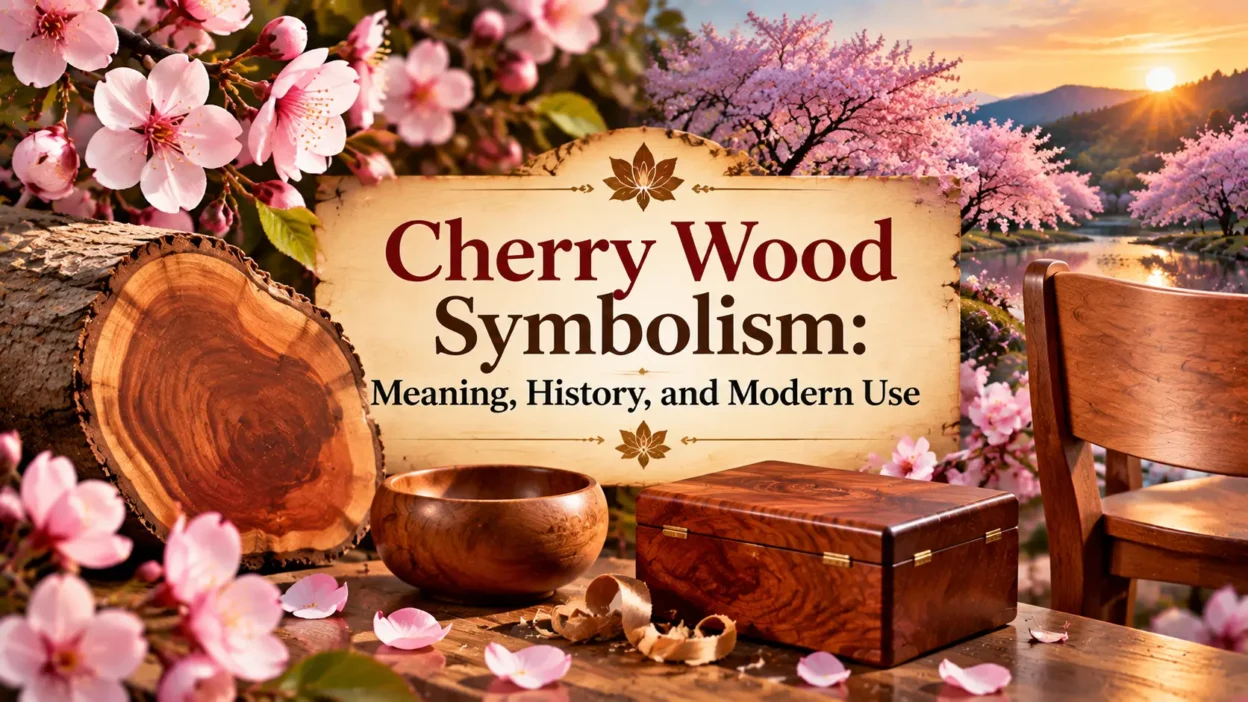
Cherry wood has long been valued for its warm color, smooth texture, and connection to craftsmanship. Beyond its physical beauty, cherry wood symbolism is often linked with growth, warmth, renewal, creativity, and the appreciation of life’s changing stages. In the United States, cherry wood appears in furniture, home design, memorial objects, artwork, and handmade items because its natural appearance communicates comfort and lasting quality.
The meaning of cherry wood comes from both the tree’s cultural history and the qualities people associate with the material itself. The cherry tree produces blossoms, fruit, and durable wood, creating a connection between beauty, productivity, transformation, and everyday usefulness. These associations have allowed cherry wood to become more than a building material; it has become a symbol used in personal spaces and creative expressions.
Understanding cherry wood’s symbolism helps explain why people choose it for furniture, gifts, decorations, and meaningful objects. Its symbolism combines natural cycles, human craftsmanship, and emotional connections to home and memory.
Quick Answer
Cherry wood symbolism commonly represents warmth, growth, renewal, and natural beauty in modern American culture, especially in home design, craftsmanship, and meaningful personal objects. Historically, cherry wood has also been associated with prosperity, appreciation of nature, and the transformation that comes with seasonal change.
TL;DR
- Cherry wood symbolizes warmth, growth, and natural beauty.
- Its meaning comes from the cherry tree’s life cycle.
- Americans associate it with comfort and quality craftsmanship.
- Different cultures connect cherry trees with renewal.
- Cherry wood appears in furniture, art, and personal items.
- Modern uses focus on beauty, memory, and identity.
What Cherry Wood Looks Like and Where People Encounter It
Cherry wood comes from cherry trees, especially species within the Prunus family. The wood is known for its smooth grain, reddish-brown tones, and ability to develop a richer color as it ages. Unlike some woods that become dull over time, cherry wood often gains depth and character, which contributes to its symbolic connection with maturity and natural change.
People commonly encounter cherry wood in:
- Dining tables
- Cabinets
- Flooring
- Musical instruments
- Decorative objects
- Handmade crafts
- Wooden gifts
- Interior design elements
In American homes, cherry wood has often been chosen for spaces meant to feel welcoming and refined. Its warm appearance creates an association with stability, comfort, and connection.
The physical qualities of the wood influence its symbolic meaning. The smooth surface suggests refinement, while the gradual darkening of the wood represents the idea that time can add value and character.
What Cherry Wood Commonly Means in the United States
In modern American culture, cherry wood is most often associated with warmth, tradition, craftsmanship, and personal growth. Many people connect it with homes, family gatherings, and objects designed to last for generations.
Because cherry wood is frequently used in high-quality furniture, it often represents careful work and appreciation for skilled craftsmanship. A cherry wood table, for example, may symbolize a place where families gather, conversations happen, and memories are created.
Common meanings include:
| Context | Meaning in the USA | Common Associations | Notes |
|---|---|---|---|
| Home design | Comfort and warmth | Family, stability, hospitality | Often used in traditional interiors |
| Furniture | Quality and craftsmanship | Durability, care, skill | Connected with handmade work |
| Natural symbolism | Growth and renewal | Seasons, change, life cycles | Inspired by the cherry tree |
| Personal gifts | Appreciation and connection | Respect, lasting bonds | Used for meaningful objects |
| Art and decoration | Beauty and creativity | Expression, elegance | Valued for appearance |
Cherry wood does not usually carry a fixed symbolic meaning like certain religious or cultural symbols. Instead, its meaning develops from human experiences with nature, homes, and craftsmanship.
Ancient Roots and Early Symbolism of the Cherry Tree
The symbolic history of cherry wood begins with the cherry tree itself. Before people used cherry wood for furniture and objects, they formed meanings around the tree’s blossoms, fruit, and seasonal patterns.
Cherry trees have been important in several cultures because they represent cycles of life. The tree blooms beautifully but briefly, reminding people that beauty can be temporary and should be appreciated.
In East Asian traditions, especially Japan, cherry blossoms became strongly connected with ideas of renewal, impermanence, and the passing of time. The short blooming period encouraged reflection on life’s changes and the importance of appreciating the present moment.
While cherry wood itself does not carry exactly the same symbolism as cherry blossoms, the connection with the tree influences how people understand the material. The wood inherits associations with:
- Natural growth
- Seasonal transformation
- Beauty created through change
- Respect for nature
As cherry trees moved into different regions and cultures, their meanings expanded beyond blossoms into ideas about usefulness, abundance, and human creativity.
How Cherry Wood Became Connected With Craftsmanship
Wood has always carried symbolic importance because humans transform natural materials into objects with purpose. Cherry wood became especially valued because it combines practical strength with visual appeal.
Craftspeople appreciate cherry wood because it is relatively easy to work with while producing a smooth, elegant finish. This relationship between nature and human skill contributes to its symbolism.
A cherry wood object often represents:
- Patience during creation
- Attention to detail
- Respect for natural materials
- Long-term value
In American woodworking traditions, furniture made from quality hardwoods has often been viewed as something meant to be passed down through families. Cherry wood became connected with heirloom thinking, where objects are valued not only for usefulness but also for the memories attached to them.
A handcrafted cherry wood item can represent the relationship between the maker, the material, and the person who receives or uses it.
Cherry Wood Symbolism in American Homes and Design
In the United States, cherry wood has a strong connection with interior design. Its warm reddish tones make rooms feel comfortable, established, and inviting.
Many homeowners choose cherry wood because it creates a sense of:
- Belonging
- Reliability
- Tradition
- Emotional comfort
Unlike modern materials that may appear temporary or industrial, natural wood often reminds people of organic environments and handmade quality.
Cherry wood furniture is sometimes associated with traditional American homes, offices, libraries, and spaces designed for reflection. Wooden bookshelves, desks, and tables made from cherry wood can communicate seriousness while maintaining warmth.
The symbolism comes partly from how people experience these spaces. A cherry wood dining table is not just furniture; it can become the center of family meals and celebrations. A cherry wood desk may represent learning, creativity, and personal achievement.
Cherry Wood Symbolism in Different Cultures
Cherry wood symbolism is shaped by the broader cultural meanings attached to cherry trees. Although the wood itself is mainly valued as a material, the tree’s blossoms, fruit, and seasonal changes influence how different societies understand it.
In Japan, the cherry tree is closely connected with the idea of appreciating temporary beauty. Cherry blossoms appear for a short period each year, creating a cultural association with change, renewal, and the importance of the present moment. While Japanese symbolism often focuses on blossoms rather than wood, these ideas influence the broader perception of cherry trees.
In Chinese traditions, cherry blossoms and cherry-related imagery have been associated with beauty, feminine qualities, love, and positive life changes. The cherry tree can represent the arrival of spring and the return of growth after winter.
In European and North American traditions, cherry trees have often been connected with abundance because of their fruit. The tree’s ability to produce blossoms and harvests creates associations with fertility, prosperity, and the rewards of patience.
For Indigenous communities in North America, relationships with trees have varied widely between nations and regions. Trees are often understood through practical, ecological, and spiritual relationships with the natural world. Cherry species and related native plants have been used in different ways, including for food, medicine, and materials.
The symbolism of cherry wood today reflects a combination of these ideas: respect for nature, appreciation of beauty, and recognition that useful things can come from careful growth over time.
Emotional and Psychological Meaning of Cherry Wood
People often respond emotionally to natural materials because they connect indoor environments with the natural world. Cherry wood’s color, texture, and aging process contribute to the feelings many people associate with it.
The warm reddish tones of cherry wood are often connected with comfort and relaxation. In interior spaces, warmer wood colors can create a feeling of welcome compared with colder artificial materials.
Psychologically, cherry wood may represent:
- Stability: Its use in furniture suggests objects designed to remain useful for many years.
- Growth: The wood comes from a living tree that develops slowly before becoming a finished material.
- Maturity: Cherry wood often becomes richer in color as it ages.
- Connection: Wooden objects frequently become linked with personal memories and experiences.
A person may choose cherry wood for a desk because it represents focus and creativity. Someone may select a cherry wood keepsake box because it feels personal and lasting.
These meanings are not universal rules. Symbolism depends on personal experience, cultural background, and the situation where the wood is used.
Cherry Wood in Weddings, Gifts, and Memorial Traditions
Cherry wood is sometimes chosen for meaningful occasions because it combines beauty with durability. Unlike disposable materials, wooden objects often communicate the idea of something lasting.
In weddings, cherry wood items may symbolize:
- A relationship growing stronger over time
- A shared home and future
- Natural beauty within commitment
Examples include:
- Personalized wooden signs
- Wedding keepsake boxes
- Decorative serving boards
- Custom furniture pieces
A cherry wood gift can express appreciation because it suggests thoughtfulness and permanence. Handmade wooden gifts are often valued because they require time, skill, and personal attention.
Cherry wood also appears in memorial objects. A wooden urn, remembrance box, or engraved piece may represent continuity and the preservation of memories. Because wood comes from nature and changes with time, some people find it appropriate for objects connected with remembrance.
The symbolism is less about the material having a fixed meaning and more about the emotions people attach to objects made from it.
Cherry Wood in Tattoos, Art, and Personal Expression
Cherry wood itself is less common as a tattoo subject than cherry blossoms or cherry fruit, but its symbolic ideas appear through tree imagery, wooden textures, and nature-based designs.
When cherry trees or cherry-related imagery appear in tattoos, people may express ideas such as:
- Personal growth
- New beginnings
- Beauty during change
- Connection to nature
- Appreciation of life experiences
Artists may use cherry wood textures in sculptures, furniture art, and decorative pieces because the material naturally communicates warmth and craftsmanship.
In modern creative spaces, natural wood has become associated with handmade culture and individuality. A carved cherry wood object can represent the relationship between human creativity and natural resources.
Digital culture has also influenced how people view wood symbolism. Images of handcrafted furniture, rustic interiors, and nature-inspired designs are often shared online as symbols of comfort, simplicity, and intentional living.
Cherry Wood in Home Decor and Modern Lifestyle
Modern home design has renewed interest in natural materials, including cherry wood. Many people use wood interiors to create spaces that feel grounded and connected to nature.
Cherry wood decor may symbolize:
Comfort
The warm color of cherry wood can make a room feel welcoming. It is often used in areas where people gather, such as kitchens, dining rooms, and living spaces.
Tradition
Because cherry wood furniture is often associated with quality construction, it can represent appreciation for traditional craftsmanship.
Personal Identity
The materials people choose for their homes often reflect their values. Someone who chooses cherry wood may prefer natural materials, long-lasting products, and classic design.
Balance Between Nature and Modern Life
Cherry wood represents a connection between forests and human-made spaces. It reminds people that everyday objects can maintain a relationship with the natural world.
Common Misunderstandings About Cherry Wood Symbolism
Cherry wood symbolism is generally positive, but some misunderstandings can occur when people search for symbolic meanings online.
One common mistake is assuming that cherry wood has one universal meaning shared by all cultures. In reality, meanings change depending on location, history, and personal interpretation.
Another misunderstanding is confusing cherry wood symbolism with cherry blossom symbolism. They are connected because they come from the same tree family, but they are not identical.
Cherry blossoms often represent:
- Short-lived beauty
- Seasonal renewal
- Change
Cherry wood more commonly represents:
- Craftsmanship
- Warmth
- Durability
- Natural transformation
Some modern spiritual interpretations assign specific energies or universal meanings to different woods. These beliefs may be meaningful to individuals, but they are personal interpretations rather than universally accepted cultural meanings.
Understanding the difference between historical symbolism and personal belief helps maintain a balanced view.
The Evolution of Cherry Wood Meaning Over Time
The meaning of cherry wood has changed as human relationships with nature and materials have changed.
In earlier societies, trees were often valued mainly for survival needs, including food, shelter, tools, and fuel. Over time, certain trees gained additional cultural meanings connected to beauty, identity, and tradition.
As woodworking developed, cherry wood became appreciated not only for usefulness but also for appearance and craftsmanship. Furniture makers recognized its ability to create elegant, durable objects.
In modern America, cherry wood has moved from a purely practical material to a symbol of intentional living. People often choose it because they value:
- Natural materials
- Handmade quality
- Long-lasting design
- Emotional connection to objects
Today, cherry wood represents a meeting point between nature and human creativity. Its symbolism continues to evolve as people find new ways to use and interpret natural materials.
Frequently Asked Questions About Cherry Wood Symbolism
What does cherry wood symbolize?
Cherry wood commonly symbolizes warmth, growth, craftsmanship, and natural beauty. In modern American culture, it is often connected with comfortable homes, quality furniture, and meaningful handmade objects.
Is cherry wood symbolism the same as cherry blossom symbolism?
No. Cherry blossom symbolism often focuses on beauty, renewal, and the temporary nature of life. Cherry wood symbolism is more connected with craftsmanship, durability, warmth, and transformation through time.
What does cherry wood represent in home decor?
In home decor, cherry wood often represents comfort, tradition, and lasting quality. Many people choose it because its warm tones create inviting spaces.
Does cherry wood have a spiritual meaning?
Cherry wood does not have one universally accepted spiritual meaning. Some individuals connect it with growth, renewal, and natural balance, but these interpretations vary between belief systems.
Why is cherry wood used for meaningful gifts?
Cherry wood is often chosen for gifts because it represents care, patience, and durability. A handmade wooden item can communicate appreciation and a desire for a lasting connection.
What does cherry wood symbolize in American culture?
In the United States, cherry wood is commonly associated with craftsmanship, family spaces, traditional design, and appreciation for natural materials.
Is cherry wood considered a symbol of good luck?
Some cultures connect cherry trees with positive ideas such as prosperity and renewal, but cherry wood itself is not universally considered a luck symbol.
Conclusion
Cherry wood symbolism reflects the relationship between nature, craftsmanship, and human experience. Its warm appearance, changing color, and connection to skilled woodworking have made it a symbol of comfort, growth, and lasting value.
Across cultures, cherry trees have represented renewal, beauty, and the cycles of life. In modern American culture, cherry wood is most often appreciated through furniture, design, gifts, and handmade objects that carry personal meaning.
Ultimately, cherry wood symbolism is about transformation: a living tree becoming a useful object while preserving a connection to nature, memory, and human creativity. Its meaning continues to grow as people find new ways to bring natural materials into their everyday lives.