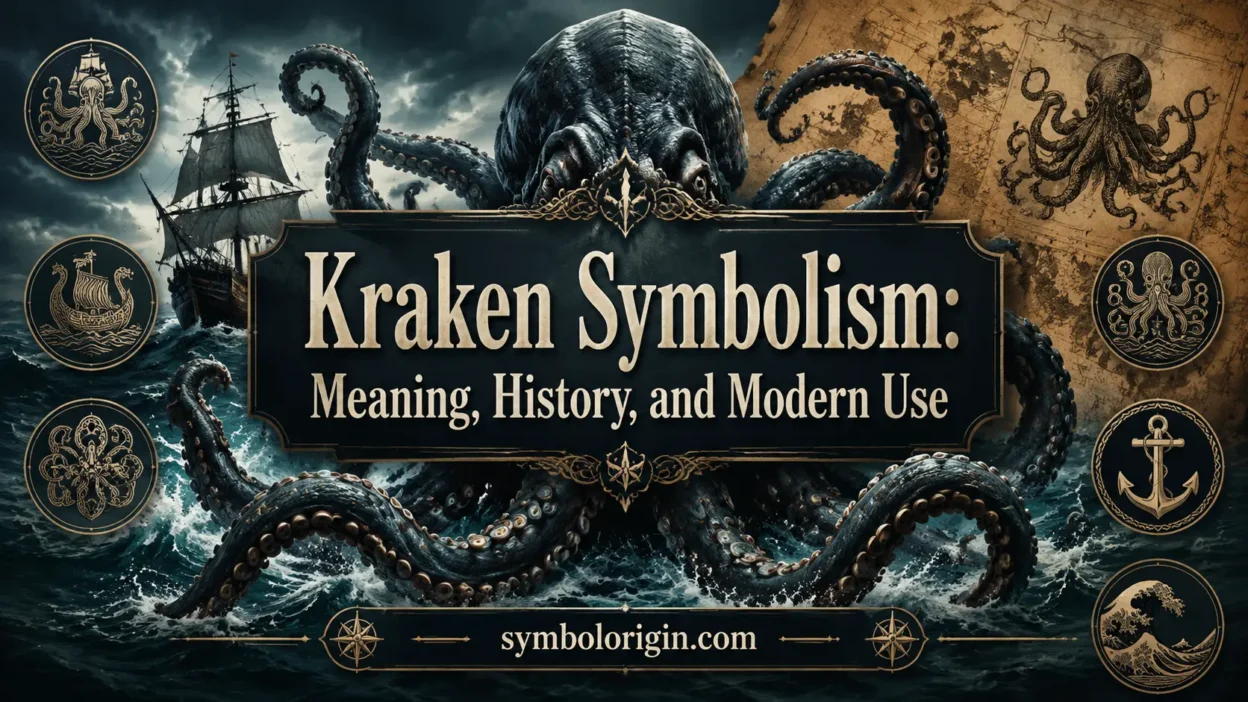
The kraken symbolism represents ideas connected to mystery, strength, the unknown, and the immense forces of nature. This legendary sea creature has appeared in folklore, literature, movies, games, and modern designs as a symbol of the ocean’s hidden dangers and humanity’s fascination with unexplored worlds.
Although the kraken is not a real animal, its image has remained influential because it combines fear and admiration. In American culture today, the kraken is often viewed less as a monster and more as a symbol of resilience, independence, imagination, and the ability to face overwhelming challenges.
Understanding the meaning behind the kraken requires looking at its origins in Scandinavian folklore, its transformation through storytelling, and the way modern audiences use the creature in art, entertainment, and personal expression.
Quick Answer
Kraken symbolism commonly represents mystery, strength, and the unknown, especially in modern American culture through fantasy, entertainment, and personal identity. Historically, the creature symbolized the dangers of the sea and the powerful forces that humans could not control.
TL;DR
- Kraken represents mystery, power, and ocean forces.
- Scandinavian folklore shaped its earliest meanings.
- Americans often view it as a fantasy symbol.
- Tattoos use kraken imagery for strength and resilience.
- Pop culture transformed the creature into an icon.
- Modern meanings include independence and imagination.
What Is the Kraken and Why Does It Matter?
The kraken is a legendary sea creature usually described as a massive octopus- or squid-like being capable of threatening ships and sailors. Traditional descriptions vary, but many portray it as a creature so enormous that it could appear like an island rising from the ocean.
Unlike ordinary mythical creatures created only for fantasy, the kraken developed from real fears surrounding the deep sea. For centuries, oceans represented unexplored territory filled with dangers that people could not fully understand.
The symbol remains popular because the kraken represents something larger than itself: the unknown forces that exist beyond human control.
In modern storytelling, the creature is often reimagined as a powerful guardian, misunderstood being, or representation of personal strength rather than simply a villain.
The Ancient Roots of Kraken Symbolism
The earliest kraken stories are connected to Scandinavian maritime folklore, especially traditions from Norway and Iceland. Sailors who traveled through dangerous northern waters shared stories about enormous sea creatures that could destroy ships or pull vessels beneath the waves.
These legends reflected the realities of ocean travel during periods when sailors had limited knowledge of weather patterns, marine life, and navigation. A sudden storm, strange movement beneath the water, or the sight of large sea animals could become part of a larger myth.
The kraken became a symbolic explanation for the unpredictable nature of the sea. It represented forces that humans respected but could not dominate.
Over time, written accounts helped spread the legend beyond Scandinavia. The creature gradually changed from a frightening sea monster into a broader symbol of imagination and exploration.
How the Kraken Became a Symbol of the Unknown
One of the strongest meanings associated with the kraken is the unknown. The deep ocean has always represented mystery because much of it remains unexplored, even today.
The kraken embodies questions about what exists beneath the surface. It represents hidden worlds, undiscovered possibilities, and things that cannot be easily explained.
This meaning appears frequently in fantasy stories where the kraken guards secrets, protects ancient knowledge, or challenges characters to enter unfamiliar territory.
For many people, the creature symbolizes curiosity rather than fear. It encourages exploration and reminds us that uncertainty can contain opportunities as well as risks.
What Kraken Symbolism Means in the United States
In the United States, the kraken is most commonly understood through entertainment, fantasy culture, and personal symbolism. Americans often encounter the creature in movies, video games, novels, sports branding, and artwork.
Rather than viewing the kraken only as a monster, many people associate it with:
| Context | Meaning in the USA | Common Associations | Notes |
|---|---|---|---|
| Fantasy Culture | Imagination and adventure | Movies, games, novels | Often shown as a legendary creature |
| Tattoos | Strength and individuality | Courage, overcoming challenges | Personal meanings vary |
| Sports Branding | Power and intimidation | Team identity, competition | Used as a bold image |
| Art and Decor | Mystery and creativity | Ocean themes, fantasy designs | Popular in visual design |
| Digital Culture | Memorable identity | Usernames, avatars | Represents uniqueness |
The American interpretation of the kraken often separates it from its original frightening role. Today, it can represent confidence, creativity, and the ability to confront difficult situations.
Kraken Symbolism in Mythology and Folklore
Mythology often uses sea creatures to represent humanity’s relationship with nature. The ocean has historically been viewed as both a source of life and a place of danger.
The kraken fits this pattern by representing the tension between human curiosity and natural limits. It reminds people that some forces cannot be controlled completely.
Similar sea creatures appear in many cultures, including giant serpents, dragons, and ocean spirits. While these beings have different origins, they often share themes of mystery, transformation, and respect for nature.
The kraken’s unique identity comes from its connection to sailors, storms, and the vast unknown world beneath the waves.
The Emotional and Psychological Meaning of the Kraken
Symbolically, the kraken can represent emotions that feel overwhelming or difficult to manage. Its enormous size makes it a useful metaphor for challenges that seem impossible at first.
Some people connect with the kraken because it represents:
- Facing personal struggles
- Accepting uncertainty
- Finding strength during difficult moments
- Embracing individuality
- Exploring hidden parts of oneself
In psychological symbolism, creatures from myths often reflect internal experiences. The kraken may represent fears that need to be confronted or personal power waiting to be recognized.
Its meaning depends heavily on context. A frightening kraken image may represent danger, while a heroic depiction may represent courage and survival.
Frequently Asked Questions About Kraken Symbolism
What does a kraken symbolize?
A kraken commonly symbolizes mystery, strength, and the unknown. In modern culture, it is often viewed as a representation of courage, imagination, and overcoming challenges.
What does a kraken tattoo mean?
A kraken tattoo may represent personal strength, independence, resilience, or a major life transformation. The meaning depends on the person’s chosen design and personal experiences.
Is the kraken a symbol of evil?
Not always. Traditional stories often portrayed the kraken as dangerous, but modern interpretations frequently present it as a powerful or heroic figure.
What culture did the kraken come from?
The kraken originated from Scandinavian folklore, especially stories connected to Norwegian and Icelandic sailors. It developed from legends about enormous creatures living in the sea.
What does the kraken symbolize in American culture?
In the United States, the kraken is mainly associated with fantasy, entertainment, creativity, and personal identity. Many Americans see it as a symbol of strength rather than simply a monster.
Does the kraken have religious symbolism?
The kraken is not a major religious symbol. Its meanings come primarily from folklore, mythology, literature, and modern entertainment.
Why is the kraken popular today?
The kraken remains popular because it combines mystery, adventure, and visual appeal. It works well in modern storytelling because it represents challenges, imagination, and unknown possibilities.
Conclusion
The kraken has changed from a frightening sea legend into a symbol with many modern meanings. While early stories used it to represent the dangers of the ocean and forces beyond human control, today it often represents strength, creativity, independence, and exploration.
Kraken symbolism continues to appear in tattoos, art, entertainment, and personal expression because it allows people to connect with ideas of courage and facing the unknown.
Whether viewed as a mythical monster or a symbol of resilience, the kraken remains a powerful reminder that mysteries can inspire curiosity as much as they create fear.