
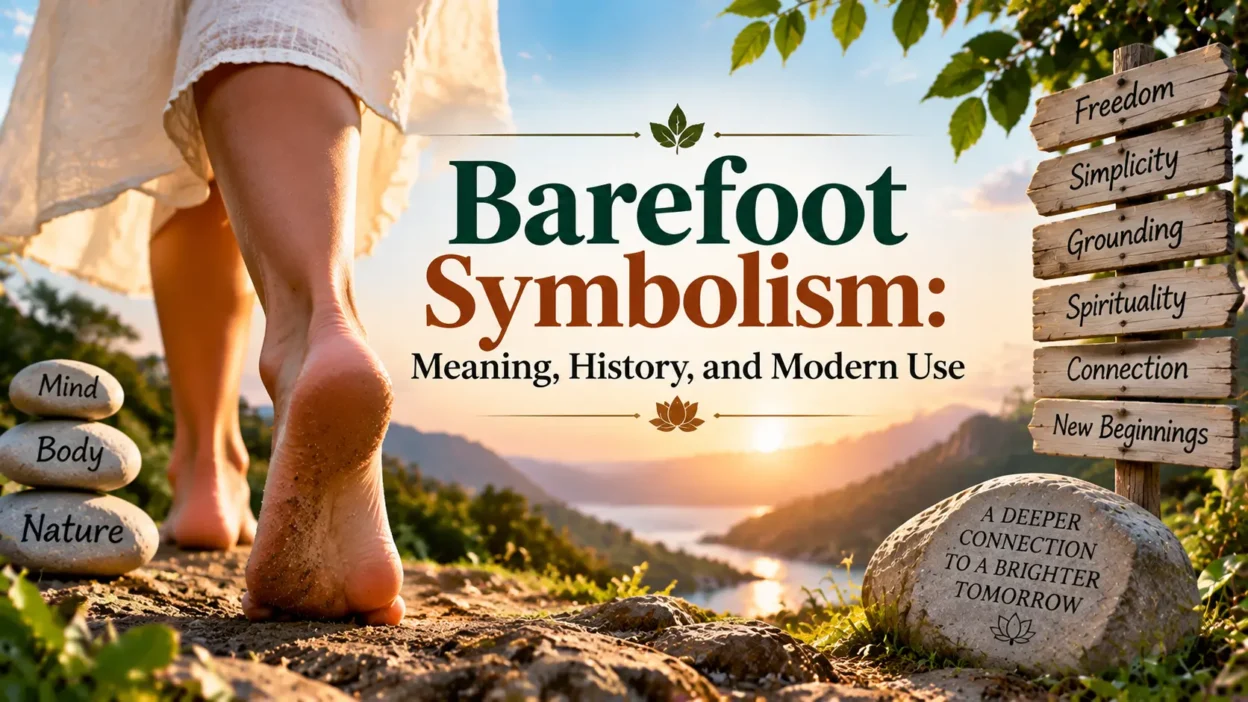
Walking without shoes is one of the simplest human experiences, yet it carries many meanings across cultures. Barefoot symbolism often represents freedom, connection with nature, humility, simplicity, and a return to a more natural way of living. From spiritual practices to modern lifestyle choices, bare feet can communicate ideas about identity, comfort, vulnerability, and personal expression.
In the United States, going barefoot can mean different things depending on the situation. Someone walking barefoot on a beach may represent relaxation and closeness to nature, while a person choosing barefoot living may express a preference for simplicity or body awareness. The meaning changes with context, but the image of uncovered feet continues to attract attention because feet connect people directly with the ground beneath them.
Understanding this symbol requires looking at history, religion, cultural traditions, and modern personal expression. Bare feet have appeared in ceremonies, artwork, fashion, and everyday life, creating a wide range of interpretations.
Quick Answer
Barefoot symbolism commonly represents freedom, natural connection, humility, and personal authenticity in modern American culture. Historically, bare feet have also been associated with spiritual devotion, respect, simplicity, and social identity in different traditions.
TL;DR
- Bare feet often symbolize freedom and natural living.
- Many cultures connect bare feet with humility and respect.
- Spiritual traditions use barefoot practices for devotion.
- Americans often associate bare feet with relaxation.
- Tattoos and art use feet to express individuality.
- Meanings change based on cultural and personal context.
What Bare Feet Represent in Modern American Culture
In the United States, bare feet are commonly linked with comfort, relaxation, and a desire to feel connected to the environment. Many Americans associate being barefoot with summer activities, beaches, outdoor living, and informal settings.
A person walking barefoot on grass or sand may symbolize a break from daily routines. It can suggest slowing down, enjoying the present moment, or returning to a simpler lifestyle.
Bare feet can also represent personal freedom. Shoes are often connected with rules, work environments, and social expectations. Removing them may create a feeling of release from those restrictions.
However, the meaning depends heavily on location. Bare feet at a beach usually communicate comfort and leisure, while bare feet in a formal setting may be viewed differently because American culture often connects shoes with professionalism and social manners.
The Physical Meaning Behind Bare Feet
Feet have a practical connection with movement, balance, and the earth. Because they carry the body and touch the ground directly, they naturally become symbols of stability and connection.
When shoes cover the feet, there is a physical barrier between a person and the environment. Removing shoes creates direct contact with surfaces such as soil, grass, sand, or water.
This physical experience has influenced symbolic meanings connected with:
| Context | Meaning in the USA | Common Associations | Notes |
|---|---|---|---|
| Beach or nature | Relaxation and freedom | Summer, comfort, escape | Common casual use |
| Spiritual practice | Humility and respect | Devotion, mindfulness | Found in many traditions |
| Art and tattoos | Personal identity | Individuality, journey | Meaning varies by person |
| Home environment | Comfort and safety | Relaxation, belonging | Common household practice |
| Social movements | Simplicity or awareness | Natural living, authenticity | Often personal choice |
Ancient Roots and Early Symbolism of Bare Feet
The symbolic meaning of bare feet existed long before modern fashion or lifestyle movements. Many ancient societies viewed the feet as a direct connection between humans and the natural world.
In several religious and cultural traditions, removing shoes became a sign of respect. Entering sacred spaces barefoot showed humility and acknowledgment that the place was different from ordinary surroundings.
Ancient communities also connected bare feet with simplicity. People who lived close to nature often had fewer barriers between their bodies and their environment. As a result, bare feet became associated with natural living and freedom from material concerns.
At the same time, barefoot status could also reflect social conditions. Historically, some people went without shoes because they lacked resources, meaning bare feet could represent poverty rather than choice. Modern interpretations often focus on freedom and simplicity, but historical meanings were more complex.
Religious and Spiritual Meanings of Bare Feet
Bare feet appear in many religious traditions as symbols of respect, purity, and humility.
In many places around the world, people remove their shoes before entering sacred spaces. The practice recognizes that certain locations deserve special care and attention.
In some spiritual practices, walking barefoot becomes a way to increase awareness. Feeling the ground beneath the feet can encourage mindfulness and focus on the present experience.
Bare feet may also symbolize humility because they remove signs of status. Shoes can represent wealth, profession, or social position, while bare feet create a simpler appearance.
Different traditions interpret this practice in their own ways, but a common theme is respect and intentionality.
Barefoot Symbolism in Christianity
Within Christianity, feet and barefoot imagery appear in several important stories and teachings. Removing footwear has sometimes been connected with reverence and recognizing sacred spaces.
A well-known example comes from the biblical story of Moses encountering the burning bush. Moses is instructed to remove his sandals because he is standing on holy ground. This moment connects uncovered feet with respect and spiritual awareness.
Christian artwork has also used barefoot figures to communicate humility. Religious figures shown without elaborate footwear may represent simplicity, service, or devotion.
However, Christianity does not have one single interpretation of bare feet. Meanings depend on denomination, cultural background, and individual beliefs.
Connection Between Bare Feet and Nature
One of the strongest modern meanings of bare feet is the relationship between humans and the natural world.
Walking barefoot outdoors allows people to physically experience natural surfaces. This has contributed to associations with:
- environmental awareness
- relaxation
- grounding
- simplicity
- outdoor living
Many people who enjoy hiking, gardening, yoga, or beach activities view barefoot experiences as a way to reconnect with nature.
The idea of “grounding” or “earthing,” which involves direct contact between the body and the earth, has become popular in some wellness communities. Supporters describe it as a way to feel connected to nature, although interpretations and beliefs about its effects vary.
Bare Feet as a Symbol of Freedom and Independence
Bare feet often communicate a willingness to move outside normal expectations. A person who chooses to go barefoot may be expressing comfort with being different or rejecting unnecessary restrictions.
This symbolism appears frequently in:
- beach culture
- outdoor lifestyles
- artistic communities
- wellness movements
- personal fashion choices
The image of someone walking barefoot can suggest independence because the person appears less concerned with traditional appearance rules.
For some people, bare feet represent authenticity — showing themselves without extra layers or protection. For others, it simply means comfort and convenience.
Emotional and Psychological Meaning of Barefoot Imagery
Bare feet can create strong emotional associations because they represent vulnerability and openness.
Shoes provide protection from the environment. Without them, people become more aware of their surroundings and more physically exposed.
Because of this, barefoot imagery may suggest:
- innocence
- trust
- openness
- relaxation
- emotional honesty
Artists often use barefoot figures to communicate natural human qualities. A barefoot person in a painting or photograph may appear more approachable and connected to everyday life.
The symbol can also represent childhood memories. Many people associate being barefoot with carefree experiences such as playing outside, running through grass, or spending time near water.
Barefoot Symbolism in American Art, Fashion, and Tattoos
Bare feet appear frequently in American art because they communicate ideas that are difficult to express through clothing alone. An uncovered foot can make a person appear more natural, relaxed, or connected to their surroundings.
In photography and paintings, barefoot figures are often used to create a feeling of simplicity. A person standing barefoot outdoors may represent peace, freedom, or a close relationship with nature. Artists may also use bare feet to show ordinary human experiences rather than wealth, status, or social expectations.
Fashion has also changed the way Americans view barefoot imagery. While shoes remain an important part of personal style, barefoot-inspired designs often appear in beach culture, wellness spaces, and casual lifestyles. The image suggests comfort, authenticity, and a preference for experiences over formal appearance.
In tattoo culture, barefoot imagery is usually connected with personal stories. Some people choose feet or footprints as symbols of:
- life journeys
- independence
- travel experiences
- childhood memories
- spiritual growth
- connection with nature
A footprint tattoo may represent the path someone has taken in life, while a pair of bare feet may symbolize companionship or a shared journey. The meaning is highly personal and depends on the individual’s experience.
Cultural Differences Around the World
The meaning of bare feet changes across cultures. In some societies, being barefoot represents respect and spiritual awareness. In others, it may have practical, social, or economic meanings.
In many Asian cultures, removing shoes before entering homes and religious places is a common practice. Bare feet in these situations represent cleanliness, respect, and awareness of sacred or private spaces.
In some Indigenous traditions, walking barefoot can express a relationship with the land. The practice may represent respect for nature and recognition of the connection between people and their environment.
In parts of Africa and other warm regions, going barefoot has historically been connected with daily life, climate, and local customs. However, interpretations differ greatly between communities. Bare feet may represent simplicity and closeness to the land, but they have also sometimes been connected with economic conditions.
In Western cultures, including the United States, barefoot symbolism has increasingly shifted toward ideas of comfort, relaxation, and personal choice. The same image can carry different meanings depending on cultural background.
Bare Feet in Weddings, Ceremonies, and Personal Rituals
Barefoot practices sometimes appear in ceremonies because they create a feeling of simplicity and personal connection.
Some couples choose barefoot wedding ceremonies, especially outdoor celebrations near beaches, gardens, or natural settings. For them, removing shoes may represent:
- equality between partners
- freedom from tradition
- closeness to nature
- a relaxed atmosphere
Bare feet can also appear in personal rituals. Some people walk barefoot during meditation, nature experiences, or reflective moments because the physical sensation encourages awareness.
These practices are not universal traditions, but they show how people continue creating new meanings around the symbol.
Common Misunderstandings and Negative Associations
Although bare feet often have positive meanings, they are not always viewed the same way.
Historically, being barefoot could indicate poverty or a lack of resources. In many societies, shoes represented protection, social position, and economic ability. A person without shoes was sometimes judged based on circumstances rather than choice.
Modern interpretations often focus on freedom and natural living, but it is important to recognize that barefoot imagery has different meanings depending on context.
Some people also misunderstand barefoot lifestyle choices. Someone who prefers walking without shoes may be expressing comfort, personal preference, or connection with nature rather than making a social statement.
In professional environments, cultural expectations around footwear still influence how people interpret bare feet. A choice that feels natural in one setting may appear inappropriate in another.
Barefoot Symbolism in Dreams and Personal Interpretations
Bare feet frequently appear in dream symbolism because feet are connected with movement, direction, and personal progress.
Common interpretations include:
- Walking barefoot: A possible symbol of freedom, vulnerability, or a personal journey.
- Dirty bare feet: Sometimes interpreted as facing challenges or difficult experiences.
- Comfortable barefoot walking: Often connected with confidence and acceptance.
- Painful barefoot movement: May represent obstacles or feelings of insecurity.
Dream meanings are personal rather than fixed rules. A barefoot dream may reflect an individual’s memories, emotions, or current life situation.
For example, someone who loves beaches may view barefoot walking positively, while someone who associates bare feet with hardship may experience a different interpretation.
Modern Uses of Barefoot Symbolism in Media and Design
Today, barefoot imagery appears across many forms of media because it quickly communicates certain emotions.
In advertisements, barefoot people are often shown in settings connected with:
- vacations
- wellness
- outdoor experiences
- relaxation
- natural products
Designers may use barefoot imagery to create a feeling of warmth and simplicity. A barefoot person in a brand image can suggest authenticity and a human-centered approach.
Movies and television also use bare feet as visual storytelling tools. A character walking barefoot may appear vulnerable, independent, rebellious, or emotionally open depending on the scene.
Social media has increased the popularity of barefoot lifestyle content. Images of beaches, outdoor adventures, yoga, and nature experiences often use bare feet as a visual sign of a relaxed and intentional lifestyle.
Barefoot Symbolism in Literature and Storytelling
Writers have used bare feet as symbols because they reveal something about a character’s relationship with the world.
A barefoot character may represent innocence, freedom, or a connection with ordinary life. In some stories, removing shoes marks an important change, such as leaving behind comfort or entering a new experience.
Footprints also carry symbolic meaning in literature. They can represent memories, choices, and the path a person leaves behind.
The symbol works well in storytelling because feet are both practical and personal. They show where someone has been and where they may go next.
How Barefoot Meaning Has Changed Over Time
The meaning of bare feet has changed significantly across different periods.
In earlier societies, bare feet were often connected with daily survival, social class, religion, and local customs. A person’s footwear could reveal their occupation, wealth, or position.
Over time, especially in modern Western societies, bare feet became increasingly associated with leisure and personal choice. Beach culture, outdoor recreation, and wellness movements helped create a more positive connection with being barefoot.
Today, bare feet can represent many different ideas at once:
- freedom and relaxation
- spiritual awareness
- connection with nature
- personal identity
- simplicity
- vulnerability
The symbol continues to evolve because people use it in different ways according to their experiences and beliefs.
Frequently Asked Questions About Barefoot Symbolism
What does barefoot symbolism mean?
Barefoot symbolism usually represents freedom, simplicity, connection with nature, and authenticity. Its meaning can change depending on cultural background, personal experiences, and the situation where bare feet appear.
What do bare feet symbolize in spirituality?
In spiritual contexts, bare feet often represent humility, respect, and awareness. Many traditions use removing shoes or walking barefoot as a way to show reverence for sacred places or create a stronger connection with the present moment.
What does a barefoot tattoo symbolize?
A barefoot or footprint tattoo often represents a personal journey, independence, memories, or connection with nature. The exact meaning depends on the person’s story and why they chose the design.
Are bare feet considered a symbol of freedom?
Yes, many modern interpretations connect bare feet with freedom because removing shoes can represent comfort, independence, and a break from social expectations. However, the meaning depends on cultural and personal context.
What do bare feet symbolize in Christianity?
In Christianity, bare feet can symbolize humility and respect, especially in connection with sacred spaces. Biblical references involving removing footwear are often interpreted as signs of reverence.
Why do people choose to walk barefoot today?
People may walk barefoot for comfort, relaxation, outdoor enjoyment, personal preference, or a desire to feel closer to nature. Some also practice barefoot walking as part of wellness or mindfulness routines.
Can barefoot symbolism have negative meanings?
Yes. Historically, bare feet could represent poverty or hardship when people lacked access to shoes. Today, the same symbol is often viewed positively, but interpretation depends on the setting and cultural background.
Conclusion
Bare feet represent a wide range of human experiences, from freedom and comfort to humility and spiritual awareness. Barefoot symbolism continues to change because people connect it with personal choices, cultural traditions, and emotional experiences.
In modern American culture, bare feet are often associated with relaxation, nature, and authenticity. At the same time, historical and cultural perspectives show that the symbol has never had only one meaning.
Whether seen in art, tattoos, ceremonies, fashion, or everyday life, bare feet remind people of a simple idea: the way humans connect with the world around them can carry personal and cultural meaning.