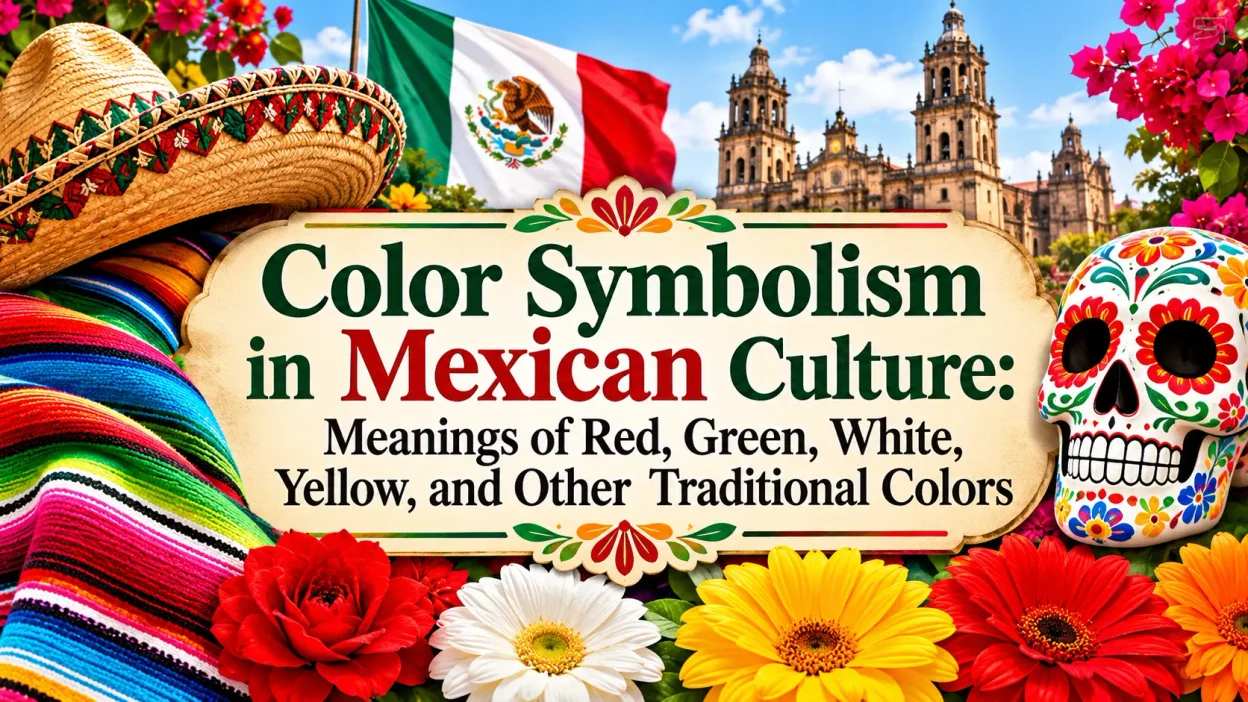
Color is an essential part of Mexican culture, appearing in traditional clothing, folk art, architecture, religious celebrations, festivals, and national symbols. From the green, white, and red of the Mexican flag to the vibrant orange marigolds used during Día de los Muertos, colors help express cultural identity, history, faith, emotion, and community pride.
Mexican color symbolism reflects centuries of cultural exchange. Indigenous Mesoamerican traditions, Spanish colonial influences, Catholic beliefs, regional customs, and contemporary artistic movements have all contributed to the ways colors are used and interpreted throughout the country.
Some colors have widely recognized associations, while others carry different meanings depending on the region, occasion, and cultural setting. A color used in a religious ceremony, for example, may communicate something different from the same color used in traditional clothing or contemporary artwork.
Understanding Mexican color symbolism offers a deeper appreciation of the country’s artistic traditions, cultural celebrations, and diverse heritage.
What Does Color Symbolism Mean in Mexican Culture?
Color symbolism refers to the meanings, emotions, and cultural associations people connect with particular colors. In Mexico, colors can communicate national identity, religious devotion, personal emotions, connections with nature, and respect for cultural traditions.
These associations developed over many centuries. Ancient civilizations, including the Maya and Mexica (often called the Aztecs), used natural pigments in murals, ceramics, textiles, manuscripts, and ceremonial objects. Spanish colonization later introduced European artistic conventions and Catholic religious symbolism, which interacted with existing Indigenous traditions.
Today, color symbolism can be seen throughout Mexican life, including:
- Traditional textiles: Embroidered garments and woven fabrics often display distinctive regional colors and patterns.
- Día de los Muertos: Marigolds, candles, papel picado, and colorful offerings create meaningful displays for remembering deceased loved ones.
- Religious celebrations: Catholic ceremonies use colors associated with different seasons, spiritual ideas, and occasions.
- Folk art and pottery: Bright pigments and decorative designs communicate regional craftsmanship and artistic heritage.
- Architecture: Colorful buildings, painted facades, and decorative details contribute to the visual identity of Mexican towns and cities.
- National symbols: The Mexican flag uses green, white, and red to represent important ideas connected with the country’s history.
There is no single color system that applies to every Mexican community. Meanings vary according to historical period, Indigenous tradition, religion, and personal interpretation.
Red Symbolism in Mexican Culture
Red is one of the most striking colors in Mexican art, clothing, celebrations, and traditional design. Its bold appearance commonly evokes passion, love, energy, strength, courage, and vitality.
Red also has national significance because it appears on the Mexican flag. In traditional interpretations of the flag, it has been associated with the blood of national heroes and the sacrifices made during the country’s struggle for independence.
Love and Passion
Red is widely associated with romantic love, attraction, and powerful emotions. It frequently appears in flowers, decorations, clothing, and artistic designs connected with affection and celebration.
Its intensity makes it an effective color for expressing strong feelings and emotional connections.
Strength and Courage
Red can also communicate bravery, determination, and resilience. In historical and patriotic imagery, it may evoke sacrifice, struggle, and the courage of people who fought for their country.
Life and Vitality
The color’s association with energy and physical intensity makes it a common feature of lively artistic traditions. Red pigments and dyes appear in many forms of Mexican folk art, textiles, and decorative objects.
Overall, red can express both personal emotions and broader ideas about strength, identity, and historical sacrifice.
Green Symbolism in Mexican Culture
Green is especially recognizable in Mexico because it is one of the three colors of the national flag. It is commonly associated with hope, independence, nature, renewal, and national identity.
Hope and Independence
In traditional interpretations of the Mexican flag, green has been associated with independence and hope. These associations developed during the country’s struggle to separate from Spanish rule.
Although explanations of the flag’s colors have changed over time, green remains an important part of Mexican patriotic imagery.
Nature and Renewal
Green naturally evokes vegetation, forests, agriculture, and new growth. Mexico’s diverse landscapes, which include tropical forests, mountains, grasslands, and agricultural regions, make nature an important part of its cultural and artistic imagery.
The color can therefore suggest renewal, balance, and the continuing cycles of life.
Life and Abundance
In contemporary artistic and spiritual interpretations, green may represent fertility, prosperity, abundance, and personal growth.
These associations should not be treated as universal ancient Mexican beliefs. They are broader symbolic interpretations that may appear in modern cultural and spiritual contexts.
White Symbolism in Mexican Culture
White is an important color in Mexican national, religious, and cultural imagery. It is commonly associated with peace, purity, unity, faith, and remembrance.
Peace and Unity
White forms the central stripe of the Mexican flag and has traditionally been associated with religious unity. Later interpretations emphasized national unity and harmony.
Its simple appearance can also communicate calmness, balance, and peaceful intentions.
Religious Significance
Catholic traditions practiced throughout Mexico frequently use white during celebrations associated with purity, holiness, and important religious occasions.
White garments and decorations may appear during baptisms, weddings, Christmas celebrations, and other church ceremonies.
Remembrance and Spirituality
White flowers, candles, and decorations can also appear in religious and commemorative settings.
During Día de los Muertos, white may be included in ofrendas and floral arrangements as part of a family’s personal expression of remembrance. Its meaning can differ according to regional customs and individual beliefs.
Yellow Symbolism in Mexican Culture
Yellow is a bright and noticeable color in Mexican celebrations, crafts, and traditional artwork. It commonly evokes sunlight, warmth, happiness, abundance, and vitality.
Sunlight and Life
Yellow is naturally associated with the sun, brightness, and warmth. These connections make it a useful color for expressing energy, optimism, and the importance of natural life.
It frequently appears in Mexican decorative arts, painted buildings, textiles, and festive designs.
Marigolds and Día de los Muertos
One of the best-known examples of yellow and orange symbolism in Mexico is the use of cempasúchil, commonly known as the Mexican marigold, during Día de los Muertos.
The flower’s vivid golden-orange petals are used to decorate ofrendas, graves, and other spaces dedicated to remembering deceased loved ones.
According to popular tradition, the flowers’ color and fragrance help guide the spirits of the dead toward their family offerings. Marigolds have therefore become one of the most recognizable symbols of the celebration.
Abundance and Celebration
Yellow also appears in traditional pottery, embroidered clothing, decorations, and festive artwork. Its brightness creates a welcoming atmosphere and can communicate joy, warmth, and celebration.
Orange Symbolism in Mexican Culture
Orange is particularly important in Mexican cultural celebrations because of its connection with marigolds, autumn decorations, and Día de los Muertos.
Remembrance and the Cycle of Life
During Day of the Dead celebrations, orange cempasúchil flowers decorate altars, graves, and family offerings.
Their presence helps create a welcoming environment for remembering loved ones who have passed away. Rather than representing sadness alone, orange can communicate the connection between memory, family, affection, and celebration.
Energy and Creativity
Orange also plays an important visual role in Mexican folk art and contemporary design. Its warmth and brightness can suggest enthusiasm, creativity, and the richness of everyday life.
When combined with yellow, red, and pink, it creates the lively color combinations often seen in traditional decorations and festivals.
Blue Symbolism in Mexican Culture
Blue has appeared in Mexican art, architecture, and decorative traditions for centuries. It is commonly associated with water, the sky, calmness, spirituality, and artistic beauty.
Water and the Sky
Blue naturally evokes rivers, lakes, oceans, rain, and the open sky. These elements have deep cultural and practical significance in a country with diverse landscapes and long agricultural traditions.
In artistic settings, blue can create a sense of depth, tranquility, and connection with the natural world.
Maya Blue and Ancient Art
Blue pigments were important in several Mesoamerican artistic traditions. One notable example is Maya Blue, a distinctive pigment used in ancient Maya murals, ceramics, and ritual objects.
Maya Blue was created by combining indigo dye with a particular clay mineral known as palygorskite. Its remarkable durability helped it survive on many ancient objects and surfaces.
Its use demonstrates that color in ancient Mesoamerican societies was not simply decorative. Pigments could also have artistic, ceremonial, and cultural significance.
Calmness and Reflection
In modern artistic and spiritual interpretations, blue can suggest peace, emotional depth, reflection, and tranquility.
These are common symbolic associations rather than a single traditional belief shared by all Mexican communities.
Purple Symbolism in Mexican Culture
Purple has an important place in Mexican religious and artistic settings. It is frequently associated with spirituality, mourning, reflection, and religious devotion.
Catholic Traditions
Within Catholic practice, purple is traditionally used during periods of preparation and reflection, particularly Lent and Advent.
During Lent, it is associated with repentance, contemplation, and spiritual preparation. During Advent, it communicates a sense of expectation and preparation for Christmas.
Purple vestments and church decorations may therefore appear during these religious seasons.
Mourning and Remembrance
Purple can also contribute to the visual atmosphere of commemorative celebrations. Some contemporary Día de los Muertos decorations combine purple with orange, yellow, white, and pink.
However, there is no single national rule defining purple’s meaning during the holiday. Its interpretation depends on family preferences, local traditions, and individual beliefs.
Pink Symbolism in Mexican Culture
Pink is especially visible in Mexican textiles, clothing, flowers, architecture, and decorative arts. It can communicate affection, beauty, joy, tenderness, and celebration.
Mexican Pink and Cultural Identity
A vivid shade commonly known as rosa mexicano, or Mexican pink, has become an important part of modern Mexican design and fashion.
Designer Ramón Valdiosera helped popularize the color internationally during the mid-twentieth century. Its bold appearance became associated with Mexican artistic identity, creativity, and confidence.
Mexican pink is now widely recognized in fashion, graphic design, crafts, and decorative arts.
Love and Celebration
Pink flowers and decorations often appear at weddings, festivals, and family celebrations.
In contemporary symbolic interpretations, pink may represent affection, friendship, romance, tenderness, and emotional warmth. Its use in Mexican design also demonstrates how a color can become an expression of cultural pride and artistic individuality.
Black Symbolism in Mexican Culture
Black has several associations in Mexican cultural and artistic traditions, including mourning, mystery, elegance, strength, and remembrance.
Its meaning often depends on whether it appears in religious ceremonies, funeral customs, traditional clothing, or contemporary artwork.
Death and Mourning
Black is commonly used in mourning clothing and funeral settings, reflecting Catholic and European traditions that influenced Mexican customs.
However, Mexican understandings of death are not limited to sadness. Día de los Muertos, for example, combines remembrance, family connection, celebration, and reflection.
This distinction is important when interpreting black in the context of Mexican traditions.
Mystery and Artistic Expression
In folk art, fashion, pottery, and contemporary design, black can create contrast and communicate elegance or visual strength.
It also appears in traditional textiles and decorative objects, where it may be used to highlight other colors or create distinctive patterns.
Color Symbolism During Día de los Muertos
Día de los Muertos, or Day of the Dead, is one of the clearest examples of how colors contribute to Mexican cultural expression.
Celebrated primarily on November 1 and 2, the holiday honors deceased loved ones through family gatherings, ofrendas, flowers, food, candles, photographs, and other meaningful objects.
The colors used in these offerings help create an environment that reflects remembrance, affection, and the continuing connection between families and those who have passed away.
| Color | Common association in contemporary celebrations |
|---|---|
| Orange | Marigolds, remembrance, warmth, and welcoming |
| Yellow | Sunlight, brightness, and vitality |
| Purple | Spiritual reflection and mourning |
| White | Purity, hope, and remembrance |
| Pink | Celebration, affection, and beauty |
| Red | Love, vitality, and emotional connection |
| Black | Death, mystery, and remembrance |
These associations are interpretive rather than universal rules. Families and communities may use colors according to their own traditions, regional customs, and personal preferences.
The most important feature of Día de los Muertos is not a fixed color code but the opportunity to remember and honor loved ones.
Color Symbolism in the Mexican Flag
The Mexican flag features three vertical stripes: green, white, and red. At its center is the national coat of arms, which depicts an eagle perched on a prickly pear cactus while holding a snake.
The three colors have historically been connected with important national ideas.
- Green: Traditionally associated with independence and hope.
- White: Traditionally associated with religion and later with national unity.
- Red: Traditionally associated with the union of different groups and the blood of national heroes.
These interpretations developed over time and should be understood in their historical context rather than treated as permanent official definitions.
The flag’s colors originated in the independence movement of the early nineteenth century. Today, they are widely recognized as powerful expressions of Mexican national identity and history.
The eagle-and-snake emblem has a separate historical significance. It draws on the foundation story of Tenochtitlan, the Mexica capital that developed into present-day Mexico City.
Together, the colors and national emblem represent Mexico’s history, heritage, and sovereignty.
Color Symbolism in Mexican Art and Traditional Crafts
Mexico is internationally recognized for its colorful artistic traditions. Color is an essential part of its visual identity, from ancient murals and traditional textiles to contemporary paintings and street art.
Traditional Textiles
Indigenous communities across Mexico have distinctive weaving, embroidery, and textile traditions.
Colors, patterns, and materials can communicate regional identity, community history, craftsmanship, and artistic heritage. Traditional garments from Oaxaca, Chiapas, and other regions display a wide range of distinctive designs.
The meanings of individual colors and patterns should be understood within the specific community and tradition rather than assigned one universal interpretation.
Talavera Pottery
Talavera pottery, particularly associated with Puebla, is known for its glazed surfaces and detailed decorative designs.
Traditional examples often feature blue, yellow, green, and other colors. The designs reflect a combination of artistic influences, including Spanish and Indigenous traditions.
Color plays an important role in the visual identity of this craft, helping distinguish its patterns and decorative style.
Murals and Contemporary Art
Mexican muralism helped establish color as an important tool for communicating national history, social struggles, identity, and political ideas.
Artists such as Diego Rivera, José Clemente Orozco, and David Alfaro Siqueiros used powerful visual contrasts to explore Mexican society and history.
Contemporary Mexican artists continue to use bold colors to communicate cultural pride, individuality, creativity, and social commentary.
Indigenous Influences on Mexican Color Symbolism
Long before Spanish colonization, Indigenous civilizations developed sophisticated methods of producing and using pigments.
The Maya, Mexica, and other Mesoamerican communities incorporated colors into religious ceremonies, architecture, manuscripts, textiles, pottery, and everyday objects.
Some notable examples include:
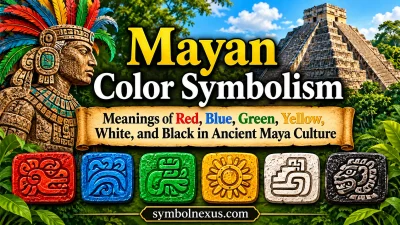
- Maya Blue: A distinctive pigment used in ancient Maya murals, ceramics, and ritual contexts.
- Red pigments: Produced from natural materials, including mineral sources and dyes, and used in artistic and ceremonial objects.
- Yellow pigments: Derived from natural materials and used in paintings, decorations, and other forms of visual expression.
- Green and blue-green shades: Created through different pigments and materials and incorporated into various Mesoamerican artistic traditions.
Color could be connected with directions, deities, natural forces, social roles, and ceremonial practices. However, these associations varied between civilizations and historical periods.
It is important to recognize that the Maya, Mexica, and other Indigenous communities did not share one identical system of color symbolism. Each civilization and community had its own artistic traditions and cultural interpretations.
Spanish and Catholic Influences on Mexican Color Traditions
Spanish colonization introduced European artistic conventions and Catholic religious practices that significantly influenced Mexican visual culture.
Churches, religious paintings, processions, and festivals incorporated colors with established Christian associations. Over time, these traditions interacted with existing Indigenous artistic practices and contributed to distinctive forms of Mexican religious and cultural expression.
Some common Catholic color associations include:
- White: Purity, holiness, and important celebrations.
- Purple: Repentance, reflection, and spiritual preparation.
- Red: Martyrdom, sacrifice, and the Holy Spirit in certain liturgical contexts.
- Green: Hope and spiritual growth, as well as its use during Ordinary Time.
These associations belong to broader Catholic liturgical traditions rather than being exclusively Mexican. Their expression in Mexico reflects the country’s particular religious history and cultural diversity.
Why Is Mexican Culture So Colorful?
Mexico’s vibrant visual identity reflects its geography, history, craftsmanship, and cultural diversity.
Several factors help explain the importance of color in Mexican culture:
- Indigenous heritage: Ancient Mesoamerican civilizations developed rich traditions of pigments, painting, textiles, and ceremonial decoration.
- Cultural exchange: Indigenous, Spanish, African, and other influences contributed to Mexico’s diverse artistic history.
- Regional craftsmanship: Textiles, pottery, embroidery, and folk art preserve local techniques and distinctive visual identities.
- Religious celebrations: Festivals and Catholic traditions use color to communicate devotion, remembrance, and community.
- National identity: The Mexican flag, murals, and public celebrations use colors to express history and cultural pride.
- Modern creativity: Fashion, architecture, graphic design, and contemporary art continue to reinterpret traditional colors.
Color is therefore much more than decoration in Mexican culture. It is a way for individuals and communities to express their history, creativity, beliefs, and sense of belonging.
Frequently Asked Questions About Mexican Color Symbolism
1. What do colors symbolize in Mexican culture?
Colors in Mexican culture can represent national identity, religious devotion, nature, love, remembrance, and celebration. Their meanings depend on the historical context, region, community, and occasion.
2. What is the most important color in Mexican culture?
There is no single most important color. Green, white, and red are especially significant because they appear on the national flag. Orange, yellow, purple, pink, and other vibrant colors are also important in celebrations, crafts, and traditional artwork.
3. What does red symbolize in Mexican culture?
Red commonly represents love, passion, energy, strength, and vitality. In traditional interpretations of the Mexican flag, it has also been associated with the blood of national heroes and the sacrifices made during the struggle for independence.
4. What does green represent in Mexican culture?
Green is strongly associated with national identity, independence, hope, nature, and renewal. It is one of the three colors of the Mexican flag.
5. What does white symbolize in Mexico?
White is commonly associated with peace, purity, unity, and religious devotion. It appears in Catholic ceremonies, national symbolism, and certain commemorative settings.
6. Why is orange important during Día de los Muertos?
Orange is strongly connected with cempasúchil, or Mexican marigolds. These flowers decorate ofrendas and are traditionally believed to help guide the spirits of deceased loved ones toward their family offerings.
7. What does purple mean in Mexican religious traditions?
In Catholic traditions, purple is associated with reflection, repentance, and spiritual preparation, particularly during Lent and Advent. It can also appear in contemporary Día de los Muertos decorations.
8. What is Mexican pink?
Mexican pink, also known as rosa mexicano, is a vivid shade associated with Mexican design, fashion, and artistic identity. It became internationally recognizable through modern Mexican designers, including Ramón Valdiosera.
9. What do the colors on the Mexican flag represent?
Traditional interpretations associate green with independence and hope, white with religion and later unity, and red with the union of different groups and the blood of national heroes. These interpretations have evolved throughout Mexican history.
10. Did the ancient Maya and Mexica use colors symbolically?
Yes. The Maya, Mexica, and other Mesoamerican civilizations used colors in art, religious ceremonies, architecture, and manuscripts. Some colors were connected with deities, directions, natural forces, and ceremonial practices, although meanings differed between cultures.
11. What does yellow symbolize in Mexican culture?
Yellow commonly evokes sunlight, warmth, happiness, and abundance. It is also associated with the bright marigold flowers used during Día de los Muertos.
12. Why are Mexican traditions associated with bright colors?
Mexico’s colorful artistic identity reflects Indigenous heritage, regional craftsmanship, religious celebrations, cultural exchange, and modern creativity. Bright colors are especially visible in textiles, pottery, festivals, murals, and architecture.
13. What does blue symbolize in Mexican culture?
Blue is commonly associated with water, the sky, calmness, and artistic expression. Its historical importance is also demonstrated by Maya Blue, a distinctive pigment used in ancient Maya art and ceremonial objects.
Conclusion
Mexican color symbolism reflects a rich combination of Indigenous heritage, religious traditions, national history, and artistic creativity. Red can suggest passion and strength, green can represent hope and nature, white can communicate peace and unity, while yellow and orange can evoke sunlight, warmth, and remembrance.
These meanings become especially visible in the Mexican flag, traditional textiles, folk art, religious celebrations, and Día de los Muertos.
However, no color has exactly the same meaning in every Mexican community. Historical traditions, regional customs, religious practices, and personal interpretations all influence how colors are understood.
By exploring these different associations, we can better appreciate how color helps express Mexico’s cultural identity, preserve its artistic heritage, and connect generations through shared traditions.